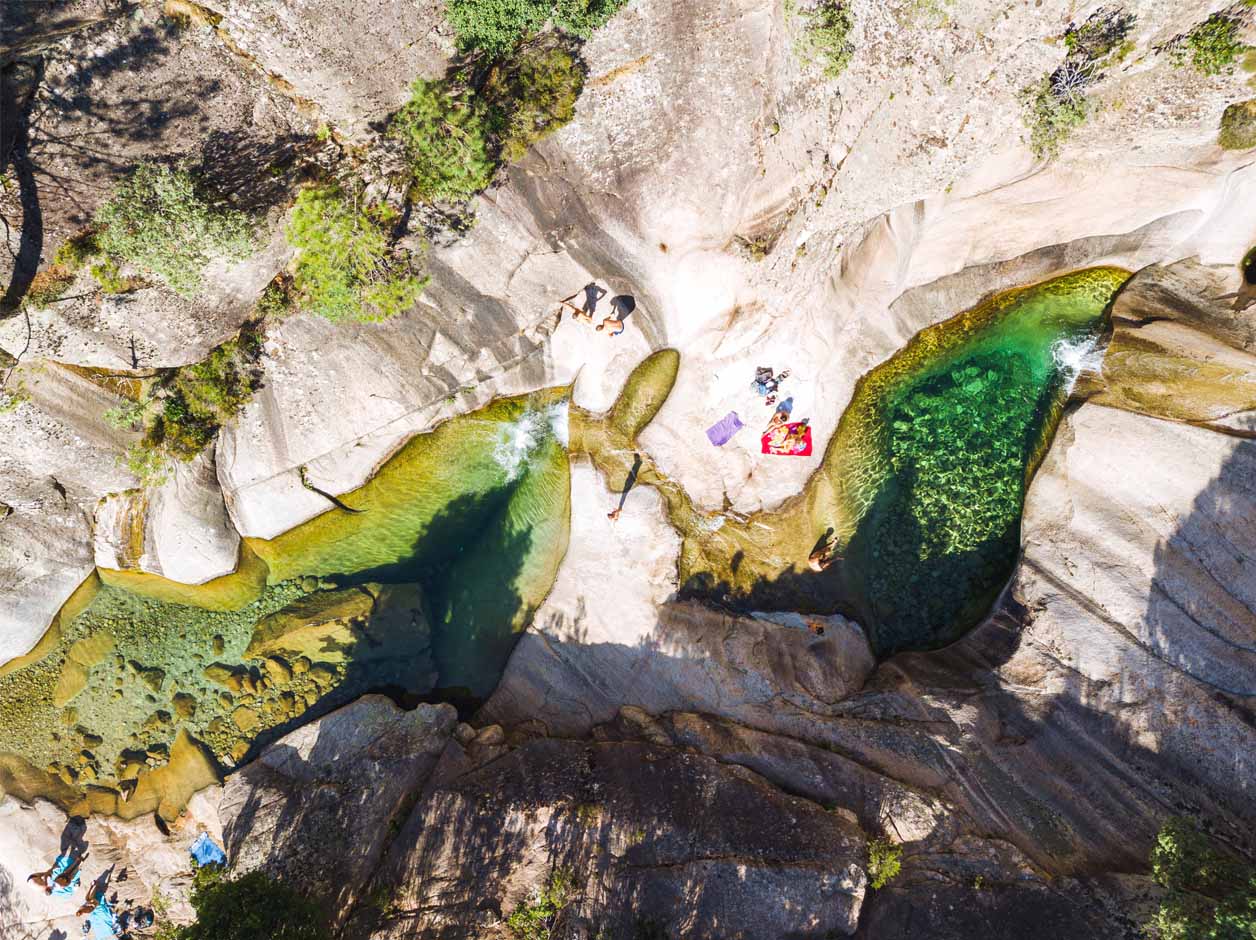
Southern Corsica , a land of contrasts and wild beauty, offers much more than its heavenly beaches. For lovers of adventure and nature in its raw state, it conceals a hidden treasure: spectacular canyons where crystal-clear water has sculpted the granite rock over the millennia. Canyoning in Southern Corsica is a unique experience, a total immersion in grandiose and preserved landscapes , often inaccessible otherwise.
From jumping into emerald pools to abseiling down refreshing waterfalls and swimming through narrow gorges, this activity combines adrenaline, discovery and contemplation. Get ready to explore some of the most beautiful canyoning routes in Europe, in the heart of breathtaking nature.
What is Canyoning? A Complete Aquatic Adventure
Definition and Principles of Activity
Canyoning , also called canyoning, is an outdoor activity that involves progressing along the bed of a steep-sided river, following the direction of the current. It is a complete discipline that combines several techniques: river walking, swimming in deeper reaches , jumping ( never compulsory) into natural pools, sliding down rock slides polished by the water and, for more vertical canyons, abseiling using ropes.
Far from being a simple hike with your feet in the water, canyoning is a true sporting exploration of a specific and often inaccessible natural environment.
This aquatic and playful progression allows you to discover hidden landscapes, shaped by the power of water over time. You move through narrow gorges , between sometimes impressive rock walls, in the middle of lush and preserved vegetation.
It is a total immersion in a mineral and aquatic environment , where the play of light on the water and the rock creates magical and changing atmospheres. Each canyon has its own personality, its own level of difficulty and its own “natural workshops” (jumps, abseils, slides).
It is essential to understand that canyoning, even if it provides strong sensations , is not reserved for an elite of extreme sportsmen. Thanks to the evolution of equipment and the professionalization of supervision, this activity has become widely democratized. There are courses adapted to all levels, from family initiation to technical and committed descents for the more experienced.
However, practicing it independently requires solid technical skills and excellent knowledge of the environment . This is why it is strongly recommended , especially for a discovery, to call on qualified professional guides.
A Unique Sensory Immersion
Beyond the sporting and fun aspect, canyoning in South Corsica offers an incomparable sensory immersion . The constant contact with the white water, often fresh even in the middle of summer, is invigorating and provides an intense sense of well-being, contrasting with the heat outside.
The sound of the water, sometimes a soothing murmur in the calm pools, sometimes a powerful roar at the foot of the waterfalls , accompanies the user throughout the descent, creating a natural and captivating soundtrack.
The visual dimension is obviously spectacular. The crystal-clear waters of Corsican rivers often allow you to see the bottom of the pools, revealing fascinating plays of light and colors ranging from emerald green to deep blue. The granite walls, sculpted by erosion into gentle or abrupt shapes , offer a permanent geological spectacle.
The lush vegetation that clings to the banks, with its ferns , alders and sometimes Corsican pines leaning over the void, completes this picture of exuberant nature.
The sense of smell is not left out, particularly in the more open sections where the scents of the surrounding scrubland reach the riverbed. The scent of sun-warmed pine trees, mixed with the damp coolness of the rock , creates a unique olfactory atmosphere.
Finally, touch is constantly solicited: the freshness of the water , the roughness or softness of the polished rock, the strength of the current in certain passages, etc. Canyoning is an activity that awakens all the senses and provides a deep and intense connection with the natural environment .
Why choose South Corsica for Canyoning? A Unique Playground
Granite Geology: Exceptional Canyon Profiles
Southern Corsica owes the beauty and uniqueness of its canyons to its unique geology , dominated by immense granite massifs . Unlike the limestone canyons found in other regions, Corsican granite, a hard and resistant rock, has been slowly sculpted by river erosion, creating unique profiles.
The pools are often deep, perfectly circular, with smooth, polished walls. Natural slides are numerous and offer fun and fast slides.
This granite rock also gives the landscapes a particular aesthetic . The colors vary from light gray to orange-pink, particularly in the Bavella massif, creating striking contrasts with the green of the vegetation and the blue-green of the water .
The shapes sculpted by the water are often soft and rounded, inviting play and exploration. Imagine that some passages resemble real natural sculptures , with arches, giant cauldrons and walls with astonishing textures.
This granite nature also influences the quality of the water. Generally low in sediment, the water of Corsican rivers is exceptionally clear , allowing excellent underwater visibility and magnifying the colors of the rocky bottoms.
This is a major asset for the canyoning experience , making the jumps safer (you can see the bottom clearly) and swimming in the pools particularly enjoyable. The fact is that this unique combination of spectacular rock and pure water makes the canyons of Southern Corsica world-renowned sites.
Crystal Clear and Refreshing Water
One of the major attractions of canyoning in South Corsica is undoubtedly the exceptional quality of the river water . Filtered by the granite massifs, it is remarkably pure and clear. This transparency not only allows you to appreciate the beauty of the aquatic depths , but also contributes greatly to safety, especially during jumps where you can easily assess the depth.
The water colors vary from emerald green in the deep, shaded pools to turquoise blue in the sunnier areas, creating an aquatic palette of striking beauty.
The cool water temperature is still very welcome on hot summer days. It often fluctuates between 16°C and 20°C, depending on the altitude and the amount of sunshine in the canyon. This refreshing coolness is a real blessing when the thermometer rises above 30°C outside.
Wearing a full neoprene wetsuit , provided by the guides, allows you to fully enjoy the activity without suffering from the cold , even during prolonged swimming passages or waiting at the foot of the abseils.
This pure, fresh water comes directly from mountain springs and snowmelt (in spring and early summer). Its flow varies throughout the season, influencing the sporty and fun nature of the canyons . A high flow will make the slides faster and the waterfalls more impressive, while a lower flow at the end of summer will make progress easier but may reduce the interest of certain passages.
Professional guides adapt their excursions to these variations to ensure both the safety and enjoyment of participants. This high-quality water resource is a precious treasure that local stakeholders strive to preserve, particularly through responsible management of site attendance.
A Unique Concentration of Varied Courses
Southern Corsica is distinguished by its exceptional concentration of canyons, offering a wide variety of profiles and levels of difficulty in a relatively small area. This richness allows every practitioner, from complete beginners to seasoned experts, to find routes adapted to their desires and abilities.
In just a few dozen kilometers , you can go from a fun, aquatic canyon ideal for a family initiation to a vertical, challenging descent reserved for seasoned athletes.
This variety is mainly found in two large massifs:
- The Bavella massif : This is the world-renowned canyoning hotspot in Corsica. It is home to legendary routes such as the Pulischellu (fun), the Purcaraccia (aesthetic but technical and regulated), the Vacca (wild and challenging), as well as lesser-known but equally interesting canyons.
- The Ospédale massif : Closer to Porto-Vecchio, it also offers beautiful descents like the Piscia di Gallu (mainly a big abseil) or other small, more secret canyons .
This geographical concentration makes it easy to organize canyoning trips, allowing you to combine several descents of varying levels without spending too much time traveling. Many providers also offer multi-day canyoning courses, exploring different sites in the region.
It is interesting to note that even within the same massif, like Bavella, there is a gradation of difficulty , ranging from very accessible routes to extremely technical and isolated descents, testifying to the exceptional hydrographic and geological richness of Southern Corsica .
This diversity is a major asset for enthusiasts who can return year after year without ever exhausting the region’s exploration potential .
The Unmissable Canyons of Southern Corsica: Selection for All Levels
The Pulischellu: The Fun and Family Initiation
Pulischellu canyon is often cited as THE ideal introductory course for discovering canyoning in South Corsica . Located in the Bavella massif, it is particularly appreciated for its fun and accessible nature, even for families with children (generally from 8-10 years old) or adult beginners.
What makes it famous is its succession of jumps (never obligatory, escape routes always exist) into magnificent pools of emerald water, and its numerous natural slides polished by the current.
The descent lasts about 2 to 3 hours and does not present any major technical difficulties . The abseils are short (maximum 10-12 meters) and well guided. The emphasis is on the pleasure of the water, the sensations of the jumps (from 2 to 8 meters for the bravest) and the beauty of the natural setting .
The canyon is well-lit, making the journey enjoyable even if the water is cool. It’s an excellent first approach to familiarize yourself with the equipment, basic techniques, and the specific canyoning environment.
Due to its popularity and accessibility, Pulischellu can be quite busy during peak season. However, professional guides arrange staggered departures to avoid traffic jams and maintain the quality of the experience .
It is strongly recommended that you book your outing in advance. Despite its relative ease, a guide is still essential to ensure safety, particularly for checking the depth of the pools before jumping and for managing rappelling.
La Purcaraccia: Slides and Emerald Basins (Access and Difficulty)
Purcaraccia Canyon , also located in Bavella, is world-famous for the beauty of its emerald pools and especially its long, spectacular natural slides . It is an aesthetically exceptional canyon, offering aquatic and mineral landscapes of rare purity .
However, it is crucial to know that this route presents a technical difficulty greater than that of Pulischellu and that its access is now strictly regulated .
Due to problems with overcrowding and accidents related to unsupervised practices, access to the Purcaraccia has been subject to significant restrictions in recent years. According to the latest information available for the 2025 season, the complete descent of the canyon is generally only permitted to groups accompanied by licensed professional guides .
Attempting to venture there alone or without qualifications is not only dangerous but also punishable by law . It is therefore imperative to find out very precisely about the conditions of access in force and to only undertake it with a professional.
The descent itself, although magnificent, requires good physical condition and a certain technical ease. It includes several abseils, some of which are longer and more technical than in the Pulischellu , as well as the famous slides which require good positioning and a little commitment.
canyon is not suitable for young children or complete beginners. For those with the required level and who go with a licensed guide, the Purcaraccia remains an unforgettable canyoning experience in the heart of the wild beauty of Bavella.
La Vacca: The Committed Adventure for Athletes
For experienced canyoners or athletes in excellent physical condition looking for a more challenging and wild adventure, the Vacca Canyon represents a major challenge in South Corsica . Also located in the Bavella massif, this canyon is distinguished by its more isolated character, its deeper and narrower gorges, and its long sections of compulsory swimming.
It is a longer and more demanding descent than the previous ones , which requires endurance and autonomy.
Progress in the Vacca alternates between dark, steep-sided sections where you sometimes swim for several dozen meters, technical down-climbing passages, and a few abseils. The atmosphere is more austere, more mineral, with impressive granite walls that narrow in places.
The commitment is greater because there are few escape routes once you enter the gorge. The feeling of isolation and immersion in raw nature is particularly intense here.
This descent is clearly aimed at a sporty audience, already initiated in canyoning or very comfortable in aquatic and vertical environments . It requires a full day (around 6 to 8 hours in total, including approach and return walks).
Given its committed nature and the need for a good knowledge of rope techniques and risk management in white water, support from a professional guide is absolutely essential .
La Vacca is a memorable adventure, a true expedition to the heart of the Corsican mountains, reserved for those who are ready to make a significant effort to discover landscapes of wild and unspoiled beauty .
The Canyoning Experience: Sensations, Discoveries and Safety
The Adrenaline of Jumps and Rappels
Canyoning is intrinsically linked to adrenaline , mainly generated by two types of obstacles: jumps and abseiling . Jumps into deep pools of water are the most fun and exciting aspect for many. The sensation of launching yourself into the void before diving into the fresh water provides an intense adrenaline rush and great satisfaction once the obstacle is overcome.
In South Corsica , canyons like Pulischellu offer a wide variety of jumps, from a few meters to more than 8-10 meters for the most daring. It is essential to remember that jumps are never obligatory; alternatives (down-climbing, short rappel or bypass) are always possible. The guide is there to assess the feasibility and safety of each jump according to the level of the participants and the conditions at the time.
Rappelling along waterfalls represents the most technical and sometimes more impressive aspect of the activity, especially for beginners. Learning to master your descent on the rope, feeling the power of the water cascading next to you , and managing the void beneath your feet requires concentration and confidence in yourself and in the equipment.
Professional guides ensure maximum safety during these maneuvers, with redundant belay systems and clear explanations. Making your first abseil is often a defining moment, a victory over your fears that builds self-confidence. In more challenging canyons , abseils can be longer and more technical (guided, split), adding an extra challenge to the adventure.
This alternation between fun moments (jumps, slides) and more technical phases (abseiling, swimming in white water) creates a dynamic and stimulating rhythm throughout the descent. Each obstacle overcome is a small victory, each successful passage strengthens group cohesion and personal satisfaction .
It is this unique combination of play, challenge and self-improvement that makes canyoning a 100% adrenaline activity and such a rich human experience.
The Discovery of a Secret Natural Environment
Beyond the thrills, canyoning is above all a fantastic opportunity to discover a secret and preserved natural environment. Canyons constitute unique ecosystems, ecological corridors where water, rock, and vegetation interact in specific ways.
Progressing through these gorges allows you to observe up close the power of erosion which has shaped these landscapes over millions of years , revealing the geological strata and the astonishing shapes sculpted in the Corsican granite.
The vegetation that clings to the walls or borders the banks is often lush and adapted to the ambient humidity: ferns, mosses, black alders, and sometimes even rare endemic plants . We discover an intimate Corsica, far from the beaches and tourist routes, a raw nature where the human footprint is minimal.
The isolation of these places also favors the presence of discreet fauna : aquatic insects, small amphibians such as the Corsican salamander, birds specific to rocky and humid environments (dippers, grey wagtails).
This “discovery” dimension is often highlighted by professional guides, who not only ensure safety but also share their knowledge and passion for the environment they are crossing. They draw attention to a geological detail , a rare plant or the history linked to the canyon (old shepherds’ passage, ruined mill, etc.).
The fact is that canyoning thus becomes an educational and immersive experience , a lesson in geology, biology and history in the open air. It is an active and respectful way of appropriating the natural and cultural wealth of South Corsica .
Professional Supervision: Safety First
The practice of canyoning , even on courses considered easy, involves objective risks linked to the aquatic, vertical and sometimes isolated environment. This is why supervision by a qualified professional is not only recommended, but essential for safe practice, especially for the uninitiated.
State-certified canyoning guides (DEJEPS Canyoning) have comprehensive expertise covering progression techniques (ropes, white water), risk management, meteorology, knowledge of the environment and first aid.
The guide’s role goes far beyond simply leading the group . He begins by assessing the level and expectations of the participants to choose the most suitable route. He provides and checks individual and group equipment . Before and during the descent, he gives clear and precise instructions for each obstacle (jumps, abseils, slides).
He ensures active safety during technical passages (rope installation, belaying). He is able to anticipate potential dangers (rockfall, rising water) and make the necessary decisions for the safety of the group.
high-quality professional support . Organizations affiliated with professional unions (such as SNAPEC) or certified (Qualité Tourisme™) generally offer good guarantees. Don’t forget that safety comes at a cost (renewed equipment, insurance, ongoing training for guides), which justifies the prices charged .
Trying to save on supervision by venturing alone or with unqualified people into a canyon you don’t know is an unwise risk . Safety must always come first to ensure the adventure remains a pleasure.
Preparing for Your Canyoning Trip: What You Need to Know
What Physical and Technical Level is Required?
Before booking your canyoning trip in South Corsica , it is important to honestly assess your physical and technical level . The routes are generally classified according to a rating that takes into account verticality (difficulty of the abseils), the aquatic aspect (length of the swims, power of the currents) and the commitment (duration, isolation, escape routes). Find out precisely the rating of the canyon you are considering .
For introductory or family courses (Pulischellu type), a normal physical condition is sufficient. You must be able to walk on uneven ground for 2-3 hours, swim short distances and not have a panic fear of water or heights (jumps and abseils are never mandatory or can be adapted). However, knowing how to swim is recommended to be comfortable in the pools.
For sporty or challenging routes (such as Vacca, Purcaraccia Integrale), excellent physical condition is required (endurance, strength), as well as previous experience of canyoning or similar activities (climbing, mountaineering, caving). You must be able to swim for long periods in white water, master autonomous abseiling techniques and withstand a full day of effort in an isolated environment.
Don’t overestimate yourself: an outing that’s too challenging can turn fun into a challenge and put the entire group at risk. Discuss your experience with the guide when booking so they can direct you to the most suitable route.
Equipment Provided and Personal Equipment to Provide
For a supervised canyoning trip, the service provider provides most of the technical and protective equipment :
- a full neoprene wetsuit (usually 5mm) to protect against the cold and shocks;
- a harness specific to canyoning, equipped with lanyards and a descender;
- a helmet to protect the head from falling stones or impacts;
- sometimes neoprene socks.
The equipment provided guarantees safety and comfort, essential for a successful canyoning experience. Each element effectively protects against the specific risks associated with this activity in a natural environment .
For your part, you must plan your personal equipment :
- a swimsuit to wear under the wetsuit;
- a pair of closed-toe shoes that can go in the water and offer good grip on wet rock (old sneakers, trail running shoes, or specific canyoning shoes if you have them). Absolutely avoid sandals or open water shoes;
- possibly a lycra or a technical t-shirt to wear under the wetsuit for more comfort;
- a towel and change of clothes for after the activity;
- water and energy snacks (cereal bars, dried fruit ) to consume before or after (sometimes during, in a waterproof container provided by the guide for long outings);
- your personal medical treatment if necessary (Ventolin, etc.), which must be reported to the guide.
Do not bring any valuables (jewelry, non-waterproof watches, etc.) or unprotected electronics (phone, non-waterproof camera). If you want to take photos, use a device or camera specifically designed for aquatic activities and resistant to shocks. Proper equipment preparation contributes to the comfort and safety of your canyoning trip.
FAQ: Canyoning in Southern Corsica, Your Questions
What is the minimum age for family canyoning?
The minimum age depends on the chosen route. For fun introductory canyons like Pulischellu , most providers accept children from 7 or 8 years old , provided they are comfortable in the water and able to walk on uneven terrain. For longer or more technical routes, the minimum age is often 10 or 12 years old. Ask the guide for details when booking .
Is it absolutely necessary to know how to swim?
You don’t need to be an Olympic swimmer, but you do need to be comfortable in the water and not afraid of it. A wetsuit and life jacket (sometimes provided as an extra for non-swimmers or children) provide buoyancy.
However, you will have to swim for a few meters or tens of meters in some deep pools. Tell the guide about your swimming level.
Are jumps and rappels mandatory?
No, jumps are never mandatory on classic routes. There is always an alternative (downclimbing, short rappel, bypass). The guide will suggest possible jumps, but you are free to do them or not.
Regarding abseiling , it may be mandatory to cross certain waterfalls. However, the guide fully ensures your safety and accompanies you step by step in the maneuver, even if you have never done it.
When is the best time for canyoning in South Corsica?
The main season runs from May to September . The early season (May-June) offers higher water flows (more sporty) and vibrant nature. Summer (July-August) guarantees pleasant temperatures for enjoying the water, but the canyons are busier and the flows sometimes lower. September is often considered an excellent compromise, with water still warm, fewer people and decent flows.
How long does a canyoning trip last and how much does it cost?
The duration varies depending on the canyon. An initiation (Pulischellu type) generally takes half a day (about 3-4 hours in total, including equipment, approach/return walk and descent). A sport canyon (Vacca type) requires a full day (6-8 hours). Average prices are between €50 and €70 for a half day, and between €80 and €120 for a day, including supervision and the loan of technical equipment .
What to do in case of bad weather?
Canyoning is highly dependent on the weather, particularly the risk of thunderstorms that can cause dangerous flash floods. Professional guides closely monitor the forecast and are the only ones authorized to decide whether to maintain, postpone, or cancel an outing for safety reasons . In the event of cancellation, you will be offered a refund or a postponement. Never enter a canyon if the weather is uncertain or if thunderstorms are forecast ahead of time.
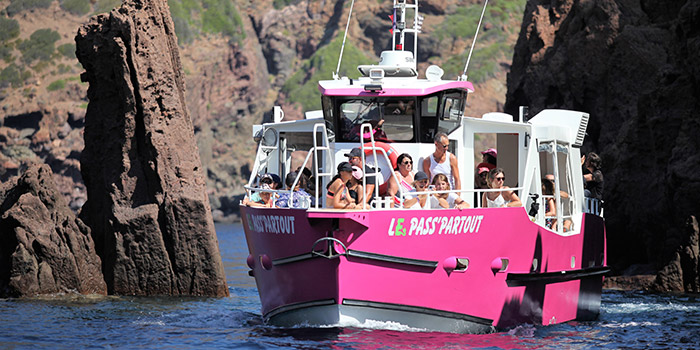
Le Pass Partout
Porto, Côte Ouest
Boat trips and excursions in South Corsica
The Pass Partout Excursions in Porto
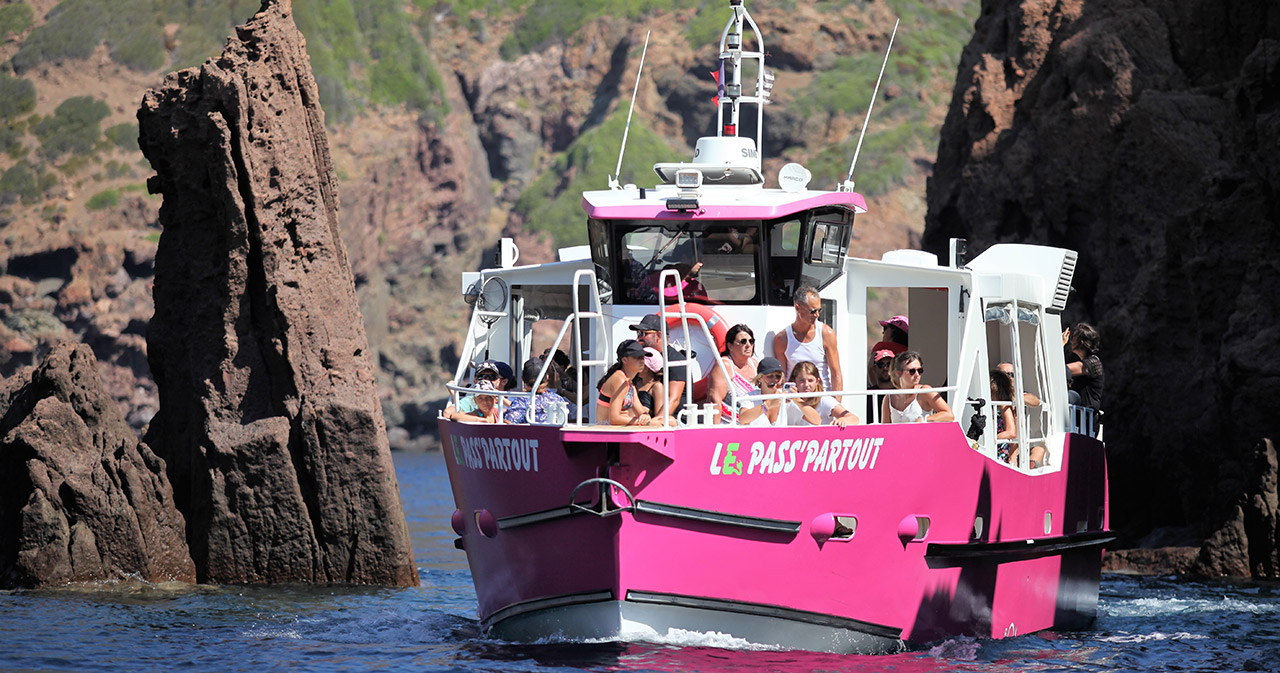
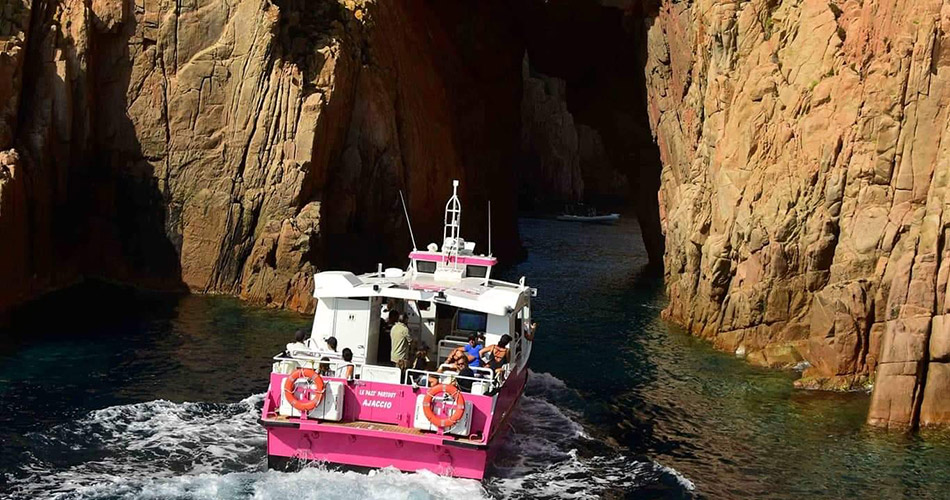
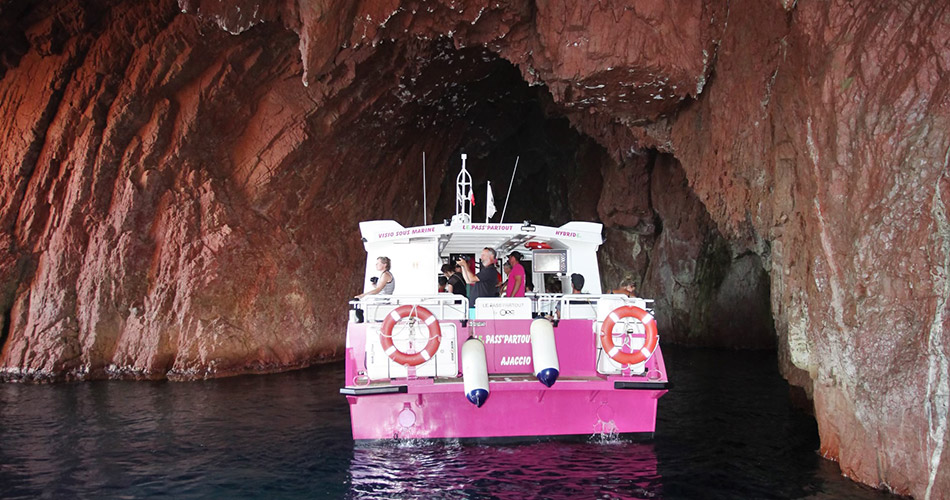
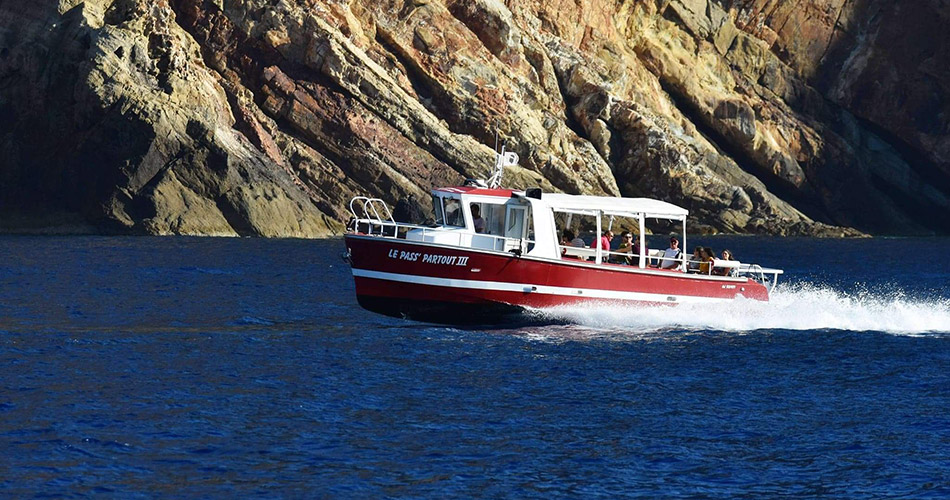
Description The Pass Partout - Walks and Boat Excursions in South Corsica
If you’re looking for a different way to explore the wonders of the Gulf of Porto, take a seat aboard the Pass’Partout. Our local company offers welcoming and accessible sea trips, departing from the port of Porto. Whether you’re traveling as a couple, with family, or with friends, it’s an ideal way to discover breathtaking landscapes while enjoying the comfort of our boats.
Our fleet consists of two very different but equally welcoming vessels: a 12-seater red boat, perfect for those who appreciate privacy, and our famous pink boat, a spacious hybrid, capable of carrying up to 38 passengers. Both are designed to take you closer to the region’s natural treasures: the Piana coves, the Capo Rosso sea caves, the Scandola nature reserve, and the remote village of Girolata.
Each excursion is narrated by a passionate captain who will share with you the history, geology, and anecdotes of the area. You can choose from three options, depending on the time you want to spend at sea: a 1.5-hour trip to discover the essentials, a 2.5-hour trip to Scandola and Girolata, or the complete 4-hour excursion to explore the entire gulf.
The key elements

Prices
From €35

Hours
From 9 a.m. to 7 p.m.
Duration
1h30 to 4h00

Age
From 6 years old


Additional information
And for those who love magical moments, don’t miss our sunset excursion, where the setting sun enhances the red cliffs and calm waters. All this in a relaxed, nature-friendly atmosphere, and with a friendly crew.
On board the Pass’Partout, it’s more than just a sea trip: it’s a true immersion into the soul of Corsica.
Location of the activity
Campsites near the Activity
Porto Linea
Porto, Côte Ouest
Boat trips and excursions in South Corsica
Porto Linea Excursions in Porto
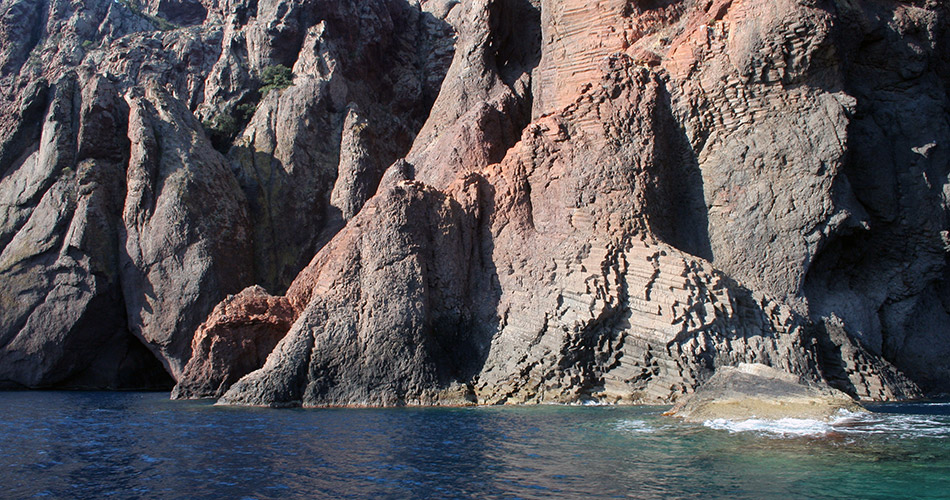
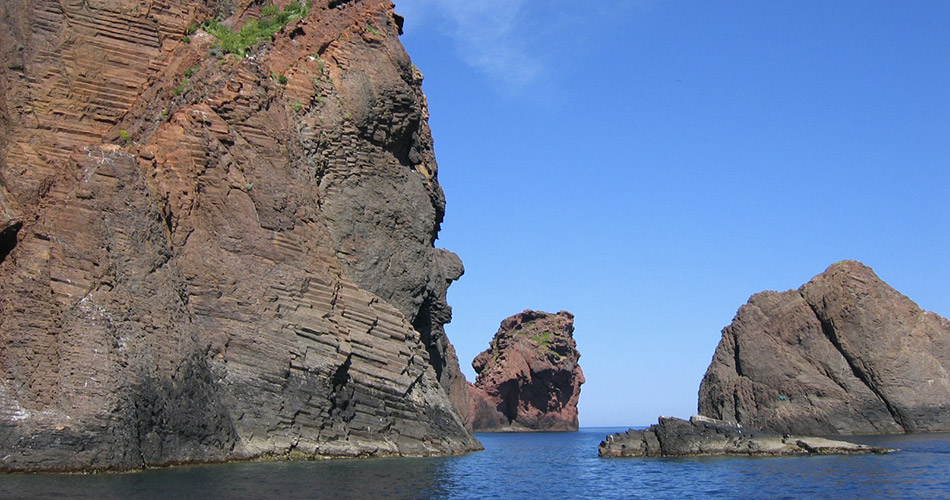
Description Porto Linea - Boat trips and excursions in Southern Corsica
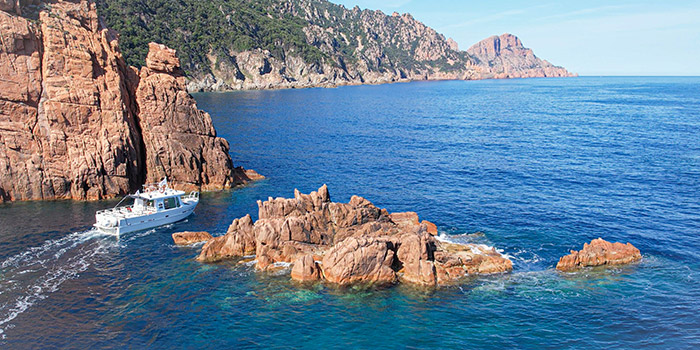
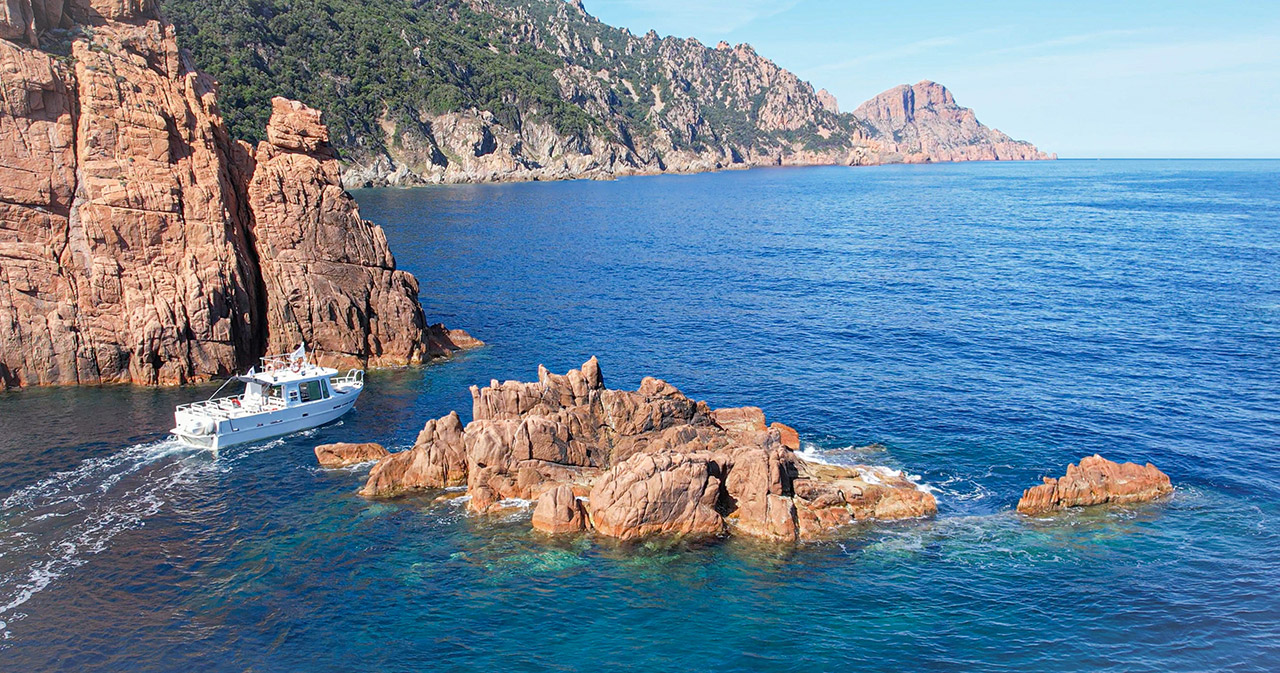
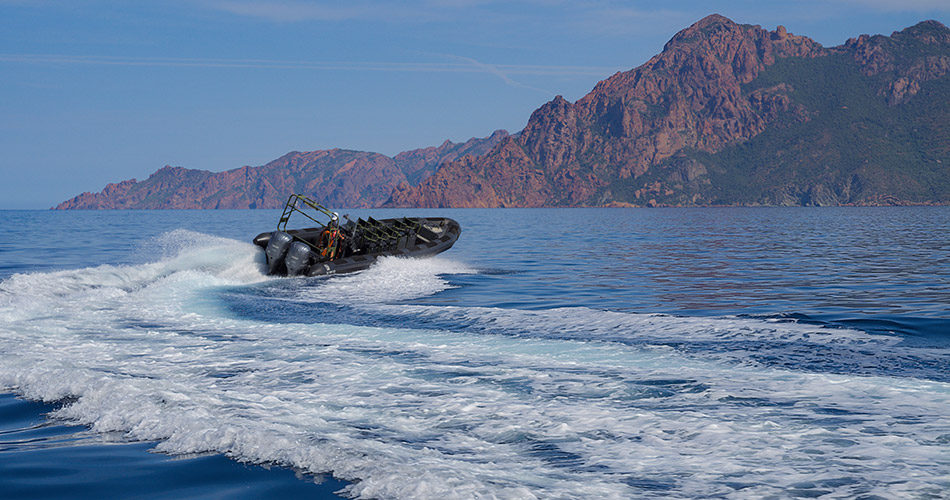
For over 25 years, we have been passionately sharing the wild wonders of Corsica’s west coast, between the Gulfs of Porto and Girolata. Each outing is a new opportunity for us to introduce you to the hidden treasures of this unspoiled region: the majestic calanques of Piana, the mysterious Scandola Reserve, and the charming village of Girolata, accessible only by sea or on foot.
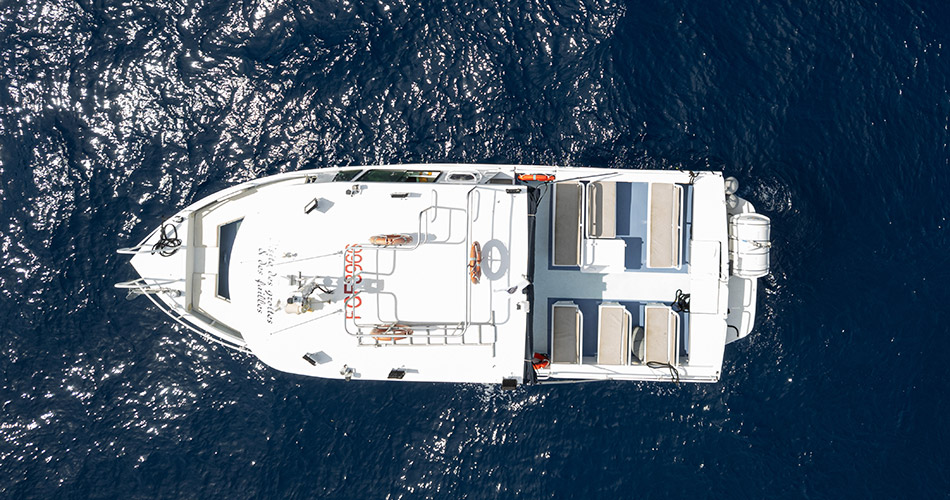
Behind this adventure is Jean-Baptiste Rostini, founder of the company and captain of the Mare Nostrum II. A pioneer in local maritime excursions, he embodies authenticity, respect for nature, and love for his region. Aboard his boat, he shares with you, with simplicity and passion, the history, legends, and unique features of these UNESCO World Heritage sites.
Since 1998, our philosophy has remained the same: to offer a unique, intimate, and high-quality experience, far removed from mass tourism. That’s why our boats are deliberately small. Not only do they allow for close encounters with inaccessible cliffs, caves, and coves, but they also create a genuine connection with passengers in a warm and friendly atmosphere.
The key elements
Prices
From €40
Hours
From 9 a.m. to 7 p.m.
Duration
1h30 to 4h00
Age
From 6 years old
Additional information
Choosing our company means opting for an environmentally friendly excursion, led by local people who love their coastline and are keen to preserve it.
Come and experience a moment suspended at sea, between sky, rock and silence… We look forward to welcoming you on board.
Location of the activity
Campsites near the Activity
Le Goëland
Porto, Côte Ouest
Boat trips and rentals in South Corsica
Le Goëland in Porto
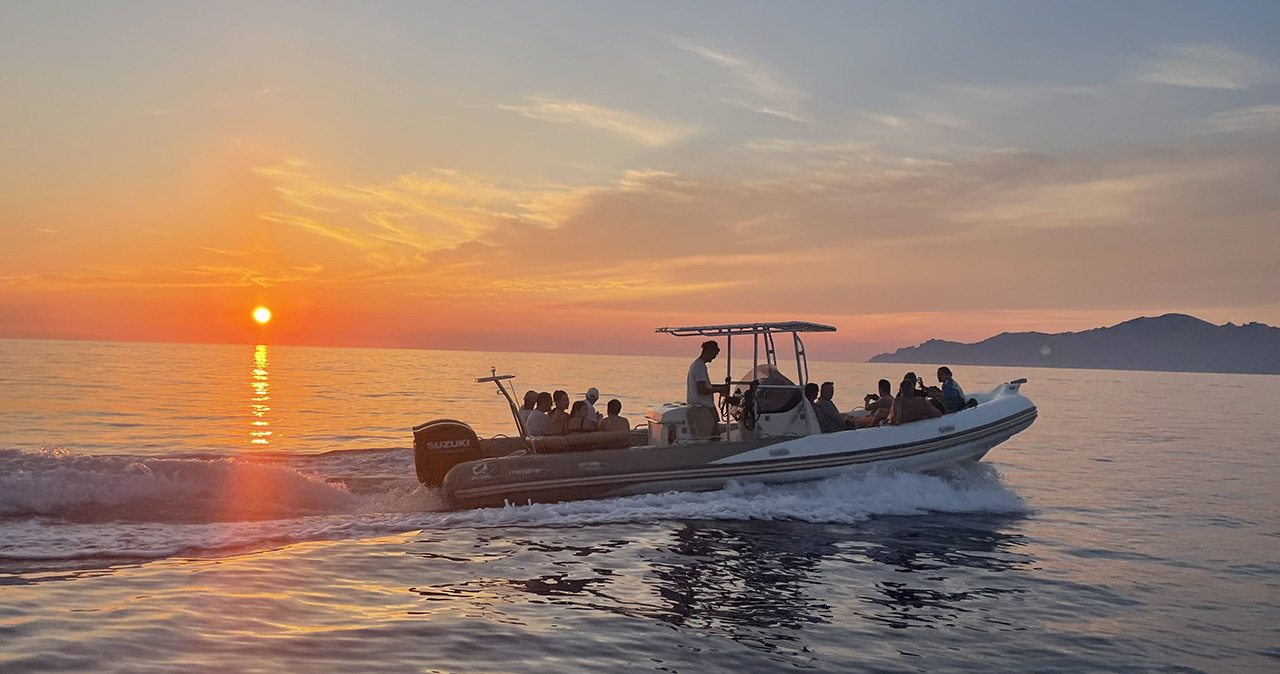
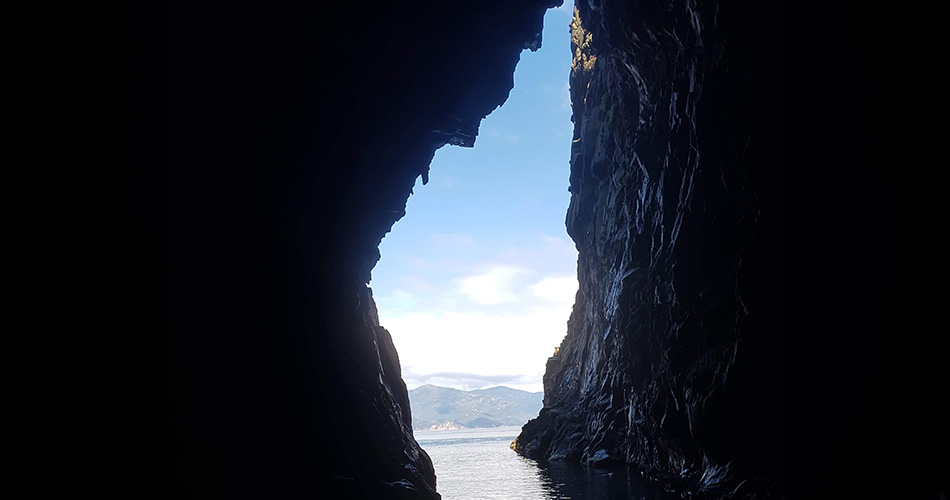
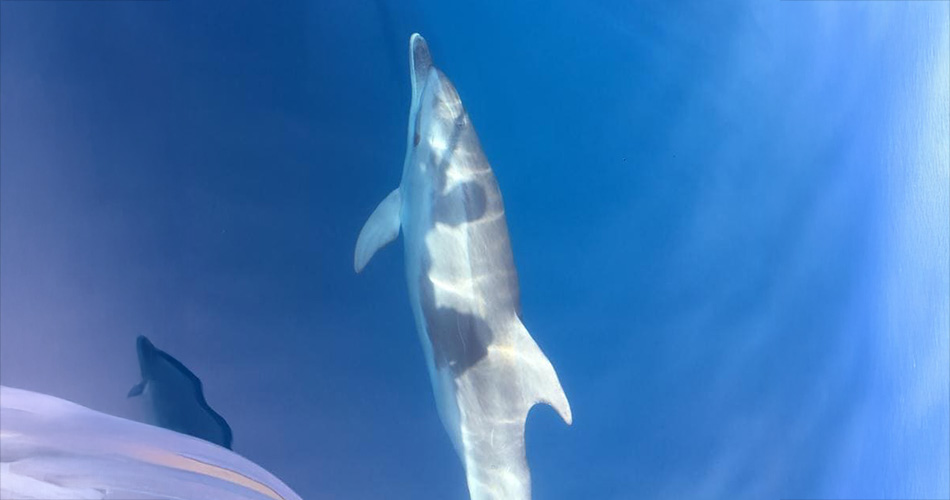
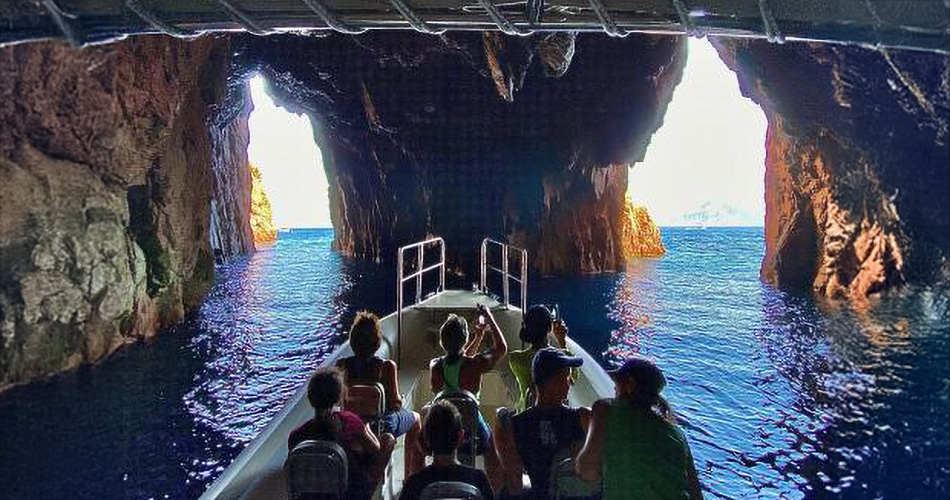
Description Le Goëland - Boat trip and rental in South Corsica
Discover the sea in a different way with Le Goéland – Porto, South Corsica
Set sail and enjoy a unique experience at sea with Le Goéland, your specialist in water sports in Porto for over 25 years.
🌊 Boat Trips & Boat Rentals
Discover Corsica’s natural treasures: the majestic Calanques de Piana, the mysterious Scandola Nature Reserve, or the village of Girolata, accessible only by boat. Whether you choose a self-drive boat rental, a boat with a license, or a guided tour for a small group, we have the perfect package for you.
⛵ Freedom, comfort, and safety
Sail at your own pace, independently or accompanied by a passionate skipper. Our modern, meticulously maintained boats guarantee comfort and safety, all while respecting the fragile beauty of these UNESCO-listed sites.
⚓ A local, family-run adventure
A family business founded in 1996, Le Goéland is now a leading restaurant in Porto. We also offer boat storage, maintenance, and repair services thanks to our 1,300 m² hangar.
The key elements
Prices
From €40
Hours
From 8 a.m. to 8 p.m.
Duration
2 hours
Age
From 1 year old
Additional information
📍 Departure from the Port of Porto
Find us easily on the left bank of the Port of Porto, near the free parking lot. An ideal starting point for exploring the wonders of Corsica’s west coast.
Location of the activity
Campsites near the Activity
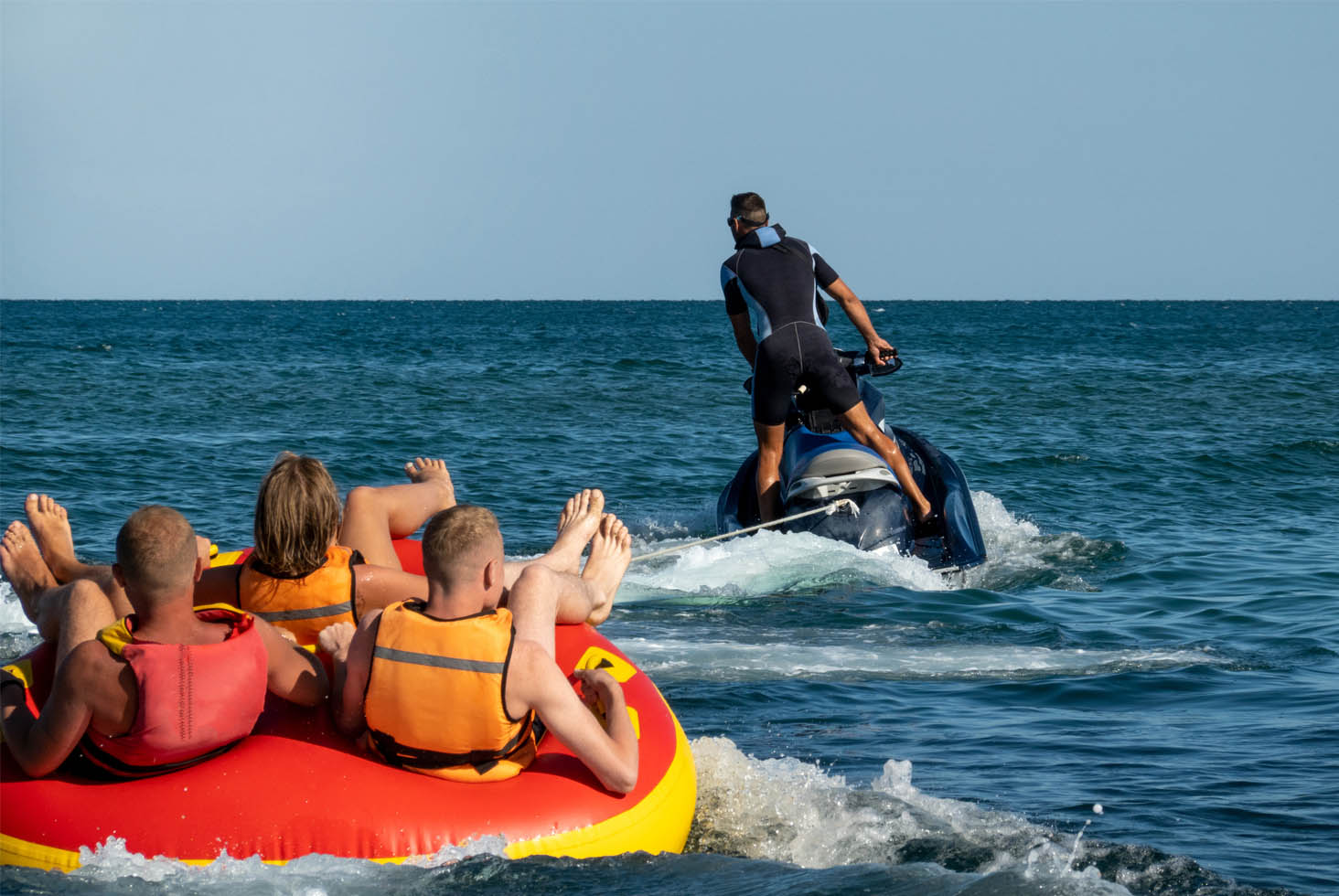
Looking for a refreshing dose of adrenalin on your vacation in South Corsica? Give towed buoys a try! This fun and accessible water activity promises memorable laughs and thrills shared with family and friends.
Clinging to a colorful buoy, you glide at top speed over turquoise waters, towed by a fast boat. Waves,turns and speed combine for an exhilarating experience in the idyllic setting of Corsica’s southern coastline. Are you looking for a simple adrenalin rush or a fun challenge? Visit towed buoy in South Corsica is a sure-fire way to spice up your days at the beach.
What exactly is a towed buoy?
The Principle: Glide, Speed and Rebound
The towed buoy is a nautical recreational activity that consists of being pulled by a motorboat while sitting on a specially designed inflatable buoy. The principle is simple: hold on tight and let yourself slide!
The boat’s pilot adapts speed and trajectory to provide a wide range of sensations, from a simple, fast glide to tight turns that cause bouncing and the occasional spectacular (and always refreshing!) fall . It’s an activity that requires no particular technical skills, apart from a healthy dose of fun and no fear of getting wet.
The magic of the towed buoy lies in its unique blend of speed, water contact and unpredictability. Unlike activities like wakeboarding or water skiing, which require an apprenticeship, here the pleasure is immediate.
From the very first seconds, the acceleration slams you onto the buoy, the wind and spray whip your face, and the first waves cause jolts that inevitably trigger laughter. It’s an intense but short experience, with a session generally lasting between 10 and 15 minutes, a perfect format for a quick injection ofadrenalin.
Safety always comes first. Participants are required to wear a life jacket, and the boat’s pilot is a professional who adapts the session to the age and wishes of the passengers. A signalling system allows you to indicate whether you want to slow down or stop.
So even the less adventurous can enjoy the experience at a more moderate pace, while thrill-seekers can request a more “muscular” session.
Different types of buoys for different sensations
There is not one, but several types of towed buoy, each offering slightly different sensations. This choice makes it possible to adapt the experience to the audience and the level of adrenalin sought. Understanding these differences can help you choose the session that’s right for you during your stay in South Corsica.
The classic round buoys (“Donut” type) are the most common. You lie on your belly, alone or with others, holding on to handles. They offer a sensation of great speed at water level, and are prone to bouncing on the chop.
The long, narrow “banana” buoys accommodate several participants seated in single file, holding onto each other and the handles. They provide a more collective experience, and are renowned for their fun instability on turns, often resulting in group falls!
More recently, more sophisticated models have appeared. Sofa” or “sofa” buoys allow you to sit comfortably. They offer a slightly less intense but very convivial experience. They are ideal for families with young children.
Conversely, “flyfish” buoys are designed to lift off slightly from the water during acceleration, adding an aerial dimension and guaranteed thrills. The choice of buoy type therefore depends on the age of the participants, their adrenalin drive and the number of people wishing to share the experience simultaneously.
An activity accessible to almost everyone
One of the great advantages of towed buoys is their accessibility. Unlike many water sports, which require a technical apprenticeship or specific physical condition, this activity is open to a very wide public.
As a general rule, children can participate from the age of 6 or 7, accompanied by an adult or on age-appropriate sessions at moderate speed. You don’t need to be an excellent swimmer, as life jackets are compulsory and ensure buoyancy in the event of a fall.
This ease of access makes it an excellent family or friendly activity. It’s an opportunity to share a moment of excitement and laughter together, whatever your level of sporting ability. Groups of friends find it a fun challenge, while families create happy, dynamic memories. All you need is the desire to have fun and no fear of splashing!
Nevertheless, a few precautions should be taken. The activity is not recommended for pregnant women, people with serious back or neck problems, or those with medical contraindications to sudden shaking or acceleration.
It’s important to be honest about your physical condition and any fears you may have when you sign up. The professionals will be able to advise you and adapt the session to guarantee your safety and enjoyment.
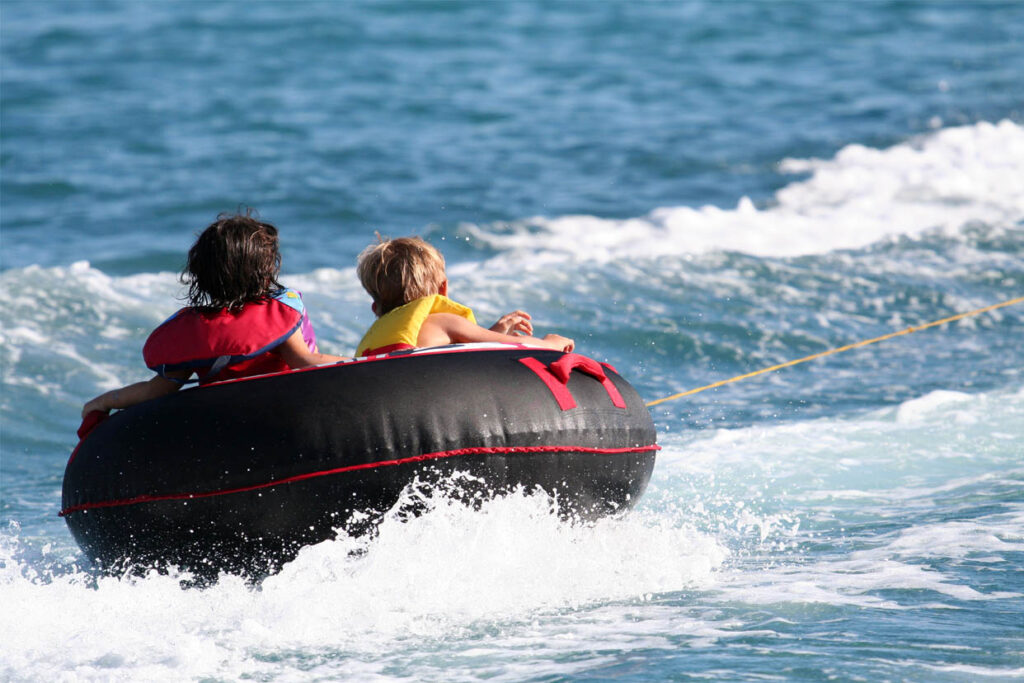
Why choose South Corsica for towed buoyancy?
Breathtaking Coastal Landscapes as Backdrop
Towing a buoy in South Corsica is much more than just a thrill-seeking activity; it’s also an opportunity to enjoy the experience in an absolutely exceptional natural setting.
Imagine bouncing on the waves with the white sandy beaches of Palombaggia, the limestone cliffs of Bonifacio or the turquoise waters of Santa Giulia Bay in the background. The beauty of the surrounding landscapes adds a unique aesthetic dimension to the adrenalin of the activity.
Gliding at speed offers different perspectives on the coastline. From the sea, you can better appreciate the jagged relief of the coastline, the intense color of the water and the lush vegetation of the maquis that runs down to the beaches.
These grandiose panoramas, combined with speed and physical sensations, create an immersive, multi-sensory experience. It’s a dynamic, fun way to experience the beauty of the south Corsican coastline.
What’s more, the quality and temperature of the water in summer make the experience particularly enjoyable. Any waterfalls turn into refreshing plunges in crystal-clear water ranging from 22°C to 26°C.
This combination of an ideal climate, clear, warm water and world-renowned scenery makes Corsica a prime spot for towed buoy sailing.
An Abundant Offer and Quality Service Providers
South Corsica ‘s popularity as a tourist destination has encouraged the development of an abundant and structured range of water sports, including towed buoys.
You’ll easily find service providers offering this activity on most popular beaches and in the main seaside resorts such as Porto-Vecchio, Bonifacio, Propriano or aroundAjaccio. This competition boosts the quality of our services and keeps our rates relatively competitive.
The professionals operating in Southern Corsica are generally experienced and subject to strict regulations guaranteeing the safety of participants. They have suitable, powerful boats, recent, standard-compliant buoys, and life jackets in good condition and of various sizes.
According to a survey conducted by the Corsican Tourist Board in 2024, customer satisfaction with the island’s supervised water sports activities is very high, testifying to the professionalism of the local players.
This abundance of supply also means you can choose the service provider or spot that best matches your expectations or your location. Whether you’re looking for a busy base with lots of other activities, or a smaller, family-run facility on a quieter beach, you’re sure to find what you’re looking for.
However, it’s advisable to book your session, especially in the middle of August, as the activity is very popular and slots can fill up quickly.
The Best Spots to Try Adventure
The Iconic Beaches of Porto-Vecchio: Adrenalin and Dream Settings
The world-renowned beaches around Porto-Vecchio are naturally top locations for towed buoy activities in Southern Corsica. Palombaggia and Santa Giulia, with their vast stretches of fine sand and shallow turquoise waters, are home to several watersports centers offering this activity.
Towing a buoy here means combining thrills with the contemplation of a postcard landscape, a doubly memorable experience.
In Santa Giulia, the highly protected bay often offers a calm stretch of water, ideal for fast, intense sessions. Boats can safely pick up speed in the central part of the bay.
At Palombaggia, the wider expanse of water allows for a variety of courses, slaloming between anchorages (at a respectable distance) or taking advantage of the slight chop that sometimes forms offshore for a few extra bounces.
As these beaches are very popular, the areas dedicated to motorized water sports are clearly demarcated to ensure the safety of bathers. Sessions generally take place a little offshore, in reserved lanes.
The advantage of these spots is also the lively atmosphere and the presence of numerous other services (beach restaurants, deckchair hire, other activities) to complete your day. It’s the perfect option for those looking to combine idleness on a famous beach with anadrenalin rush.
The Gulf of Valinco: Space and versatility
The Gulf of Valinco, around Propriano, offers an excellent compromise between scenic beauty, available space and accessibility. Less glamorous perhaps than the beaches of the far south, this gulf has the advantage of being very vast and generally less crowded by boats at anchor, offering large areas for safe towed buoy practice.
The beaches of Lido, Portigliolo and Campomoro are home to dynamic service providers.
The gulf’s well-protected configuration often guarantees a relatively calm stretch of water, but its size also makes it possible to find areas where a small swell or chop forms in a sea breeze, offering varied conditions suited to different levels of thrill-seeker.
Local professionals know the specifics of the Gulf inside out, adapting courses to suit the day’s conditions and customers’ expectations.
An added bonus for Valinco is the beauty of its mountainous backdrop, with the foothills of the Alta Rocca plunging towards the sea. Towing a buoy with such a view adds a grandiose dimension to the experience.
What’s more, rates are sometimes slightly more competitive than in the far south. So it’s an excellent choice for those looking for space, great practice conditions and an impressive natural setting.
The most intimate bays: Rondinara and Figari
For those who prefer a slightly less hectic atmosphere than on the very large beaches, some smaller but equally magnificent bays also offer the chance to try out towed buoys. The bay of Rondinara, famous for its perfect shell shape and calm waters, usually has a service provider offering this activity. Its intimate, unspoilt setting makes for a particularly enjoyable experience.
Further west, the bay of Figari, although better known for windsurfing and kitesurfing due to its exposure to the wind, can also offer great towed buoy sessions when conditions are calmer, particularly in the morning. Its wilder, less touristy character will appeal to those seeking a more authentic experience, away from the hustle and bustle of the big seaside resorts.
It should be noted that the offer may be more limited or seasonal on these smaller spots. It is therefore advisable to enquire in advance about the actual presence of a service provider, and to make reservations if possible. However, towing a buoy in these more confidential natural settings is a privileged experience, bringing you closer to the raw beauty of the South Corsican coastline.
Safety and Tips for a Successful Session
The Golden Rules of Safety
Even if towed buoys are a fun activity, safety remains the top priority. There are several basic rules to follow to ensure a risk-free experience. Firstly, listen carefully to the safety briefing given by your instructor before you set off. He’ll explain how the session unfolds, how to communicate with the pilot, and what to do in the event of a fall.
Secondly, always wear your lifejacket, properly fitted and closed. This is mandatory and non-negotiable, even if you’re an excellent swimmer. Thirdly, hold on tightly to the handles provided. Never wrap the rope around your hands or arms. In the event of a fall, let go of the spreader bar immediately. Don’t try to hold on to it while swimming.
Fourthly, after a fall, signal to the pilot that all is well by raising one arm out of the water. Wait calmly for the boat to return to you at slow speed. Do not swim towards the boat when the engine is running. Climb aboard via the stern ladder when the pilot invites you to do so. These simple but essential rules ensure that the fun continues without compromising your safety or that of others.
Choosing the right time and the right service provider
The time of day can influence your towed buoy experience. In the morning, the sea is often calmer (“flat”), which favors pure speed and tight turns. In theafternoon, a light thermal breeze can lift a small chop, making the session more “bouncy” and sometimes harder to hold on to, but also potentially more exciting for thrill-seekers.
Discuss your preferences with the service provider.
The choice of service provider is also crucial. Give preference to well-established structures, with recent, well-maintained equipment and qualified, experienced staff. A good indicator of this is the clarity of the safety briefing and the attention paid to vest fitting.
Customer reviews can also help, but keep a critical eye. A serious professional will adapt speed and maneuvering to your requirements and apparent comfort level, and won’t try to scare you off at any cost.
Finally, don’t hesitate to communicate your expectations and limits clearly. If you want a calmer session, say so. If, on the other hand, you’re ready for the big thrill, ask for a “sporty” session. This open communication with the pilot is the key to a successful experience tailored to each individual.
FAQ : Towing buoys in South Corsica
Do you need to be able to swim to go tug-of-war?
It’s best to be comfortable in the water, but being able to swim perfectly isn’t strictly essential, as wearing a lifejacket is compulsory and ensures your buoyancy in the event of a fall. The important thing is not to panic if you fall, and to wait calmly for the boat to return.
What is the minimum age for participation?
The minimum age varies according to the provider and the type of buoy, but is generally around 6 or 7 years. For younger children, sessions at reduced speed and on more stable buoys (sofa-type) are often offered. Accompaniment by an adult on the same buoy may also be possible or required.
How long does a typical session last?
A towed buoy session is an intense but short activity. The actual time on the buoy is generally 10 to 15 minutes. This is enough time to get the right sensations without excessive fatigue. Allow around 30 minutes in total, including briefing, equipment and boat rides.
How much does it cost?
Rates vary from spot to spot and from provider to provider, but on average you should expect to pay between €20 and €30 per person for a 10-15 minute session. Reduced rates are sometimes available for groups or if you book several sessions.
Is it a dangerous activity?
As with any thrill-seeking activity, there is a minimal risk, mainly associated with falls or bumps between participants on the same buoy. However, if you follow the safety instructions (hold on tight, let go in the event of a fall, wear a lifejacket) and have a professional, responsible pilot, towed buoys are considered a very safe water activity. Serious accidents are extremely rare.
Can I choose the type of buoy (banana, sofa, etc.)?
Yes, most service providers offer different types of buoys. You can generally choose according to the number of participants and the type of sensations you’re looking for (more stable, more “ejectable”, etc.). Don’t hesitate to ask the staff at the base for advice on which buoy is best suited to your group and youradrenaline desires.
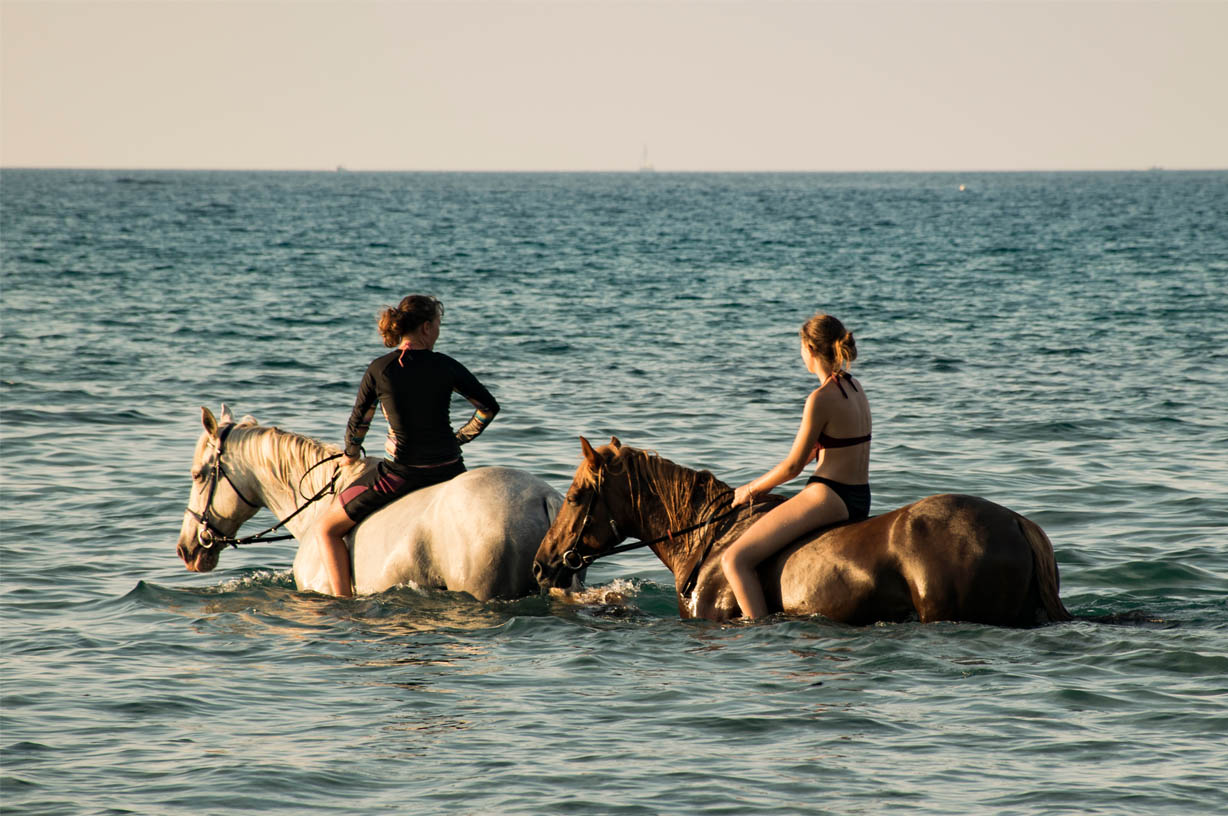
Discovering Southern Corsica on horseback offers a unique and privileged perspective on the wild and unspoilt landscapes of this emblematic region. At your mount’s slow, confident pace, you’ll explore otherwise inaccessible paths, crossing fragrant scrubland, skirting deserted beaches or climbing to breathtaking panoramas.
It’s a total immersion in the island’s nature, a gentle adventure that combines the pleasure of horseback riding with the contemplation of grandiose scenery. Whether you’re a beginner or an experienced rider, horseback riding in South Corsica promises authentic moments of escape and unforgettable memories, in perfect harmony with the island‘s exceptional environment.
Why choose horseback riding to explore South Corsica?
A Privileged Connection with Wild Nature
Opting for a horseback ride or an equestrian excursion in Southern Corsica means choosing a deeply respectful and immersive approach to nature. Far from the noise of engines and the hectic pace of modern life, the rhythm of a horse’s stride reconnects you with essential sensations.
You can smell the fragrances of the maquis – immortelle, myrtle, lentisque – hear the discreet song of the birds or the whisper of the wind in the laricio pines, and feel the warmth of the sun on your skin. This sensory connection is at the heart of the equestrian experience in Corsica.
Horses, by their very nature, provide access to remote and unspoilt areas, inaccessible to vehicles and sometimes even difficult for hikers to reach. Thanks to the agility and sure-footedness of the mounts, often from local breeds adapted to the terrain, you can venture out on ancient mule tracks, ford rivers or climb ridges offering breathtaking views.
It’s a gentle form of exploration, leaving a minimal footprint on the environment, in perfect harmony with the spirit of preservation that drives many of the tourism players in Southern Corsica.
What’s more, the relationship that develops with the horse adds a unique emotional dimension to the adventure. Learning to communicate with your mount, trusting him in technical passages and sharing the effort of the climb creates a special bond.
For children and adults alike, this interaction with the animal is often one of the most memorable aspects of the experience. The fact is, discovering South Corsica on horseback transforms a simple visit into a genuine encounter with the territory and its inhabitants, both human and animal.
The Corsican Horse: An Authentic and Adapted Companion
The Corsican riding experience is inextricably linked with the Corsican horse (U Cavallu Corsu), an officially recognized breed since 2012 and perfectly adapted to the island’s specific terrain. This small, hardy horse, often bay or black in color, stands out for its agility, endurance and particularly sure-footedness in the mountains.
It is the fruit of a long history of adaptation to the Corsican environment, having been used for centuries for travel, farming and warfare in the island’s steep terrain.
Riding a Corsican horse means experiencing a partnership with an animal that knows and understands its territory. Its ability to evolve on rocky or steep trails is remarkable, and provides an appreciable sense of security, even for less experienced riders.
Its moderate size also makes it less impressive for beginners, making it easier to mount and dismount. According to the Association Nationale du Cheval Corse’s 2024 report, major efforts are being made to preserve and promote this heritage breed, notably through the development of equestrian tourism.
In addition to their technical qualities, Corsican horses are renowned for their willingness, intelligence and closeness to man. South Corsica ‘s serious equestrian centers attach great importance to the well-being of their horses and the quality of their training, guaranteeing reliable , pleasant mounts for riders.
Sharing a day or several days with these authentic companions is an integral part of the charm of riding on the island. And choosing a structure that works mainly with Corsican horses also contributes to safeguarding this unique living heritage.
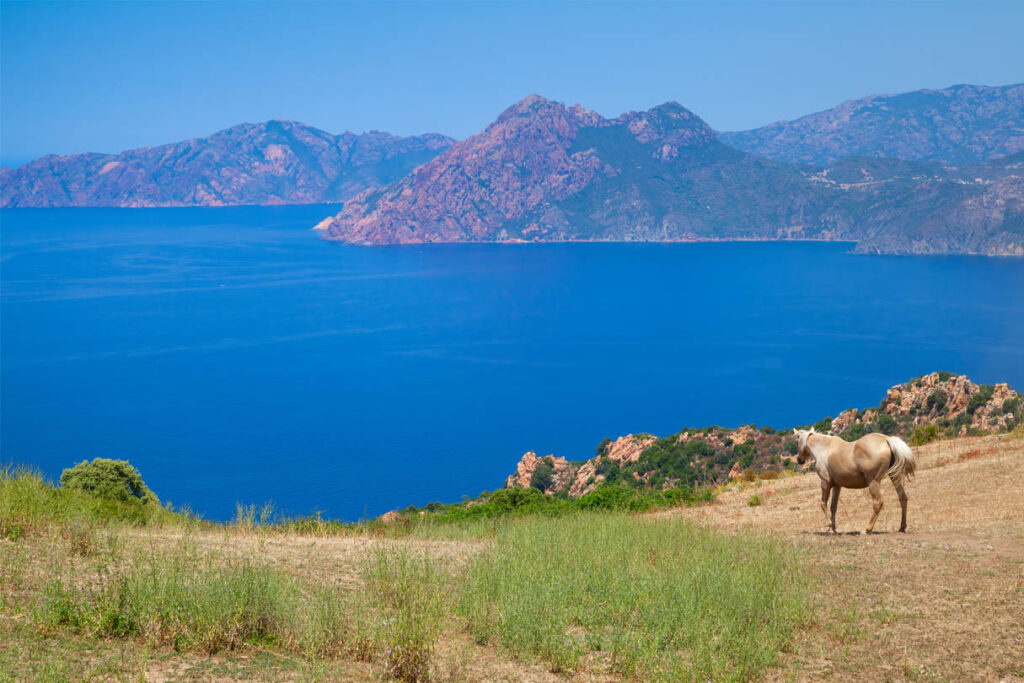
The Best Riding Routes in South Corsica
Coastal walks: Between deserted beaches and coastal scrub
The South Corsican coastline offers exceptional opportunities for memorable horseback rides, combining the beauty of the beaches with the discovery of the coastal scrubland. Several equestrian centers offer itineraries along the sea, sometimes even allowing you to ride on the sand of wild beaches, particularly early in the morning or late in the day out of season, when regulations allow.
Imagine galloping along a deserted beach at sunrise, with the sound of the waves as your only soundtrack: an unforgettable experience.
The Roccapina region, with its famous beach dominated by the Lion Rock, offers horse-riding trails through the scrubland to spectacular sea views. These rides, generally accessible to beginners, offer a summary of the typical landscapes of the south-west of the island.
Likewise, the Campomoro area in the Gulf of Valinco boasts coastal paths winding between secluded coves and rocky points, offering breathtaking views of the bay and the Genoese tower.
It’s important to note that access to beaches on horseback is strictly regulated, especially in high season, to preserve these fragile natural areas and ensure the safety of bathers. Professional riding schools are fully aware of these regulations and adapt their itineraries accordingly.
In fact, some rides combine seaside passages with incursions into the immediate hinterland, offering a variety of landscapes and types of terrain. These coastal horseback rides, which generally last from 1 to 3 hours, are an excellent introduction to horseback riding in Southern Corsica for the whole family.
Hiking in Alta Rocca: In the heart of the Corsican mountains
For riders seeking a deeper immersion in the wilderness and mountain landscapes, theAlta Rocca is a destination of choice for longer and sometimes more technical equestrian rides.
This mid-mountain region, in the heart of the Parc Naturel Régional de Corse, is characterized by granite villages, pine and oak forests, and vast high plateaus such as the Coscione. Ancient transhumance paths and forest trails offer a dense network of itineraries for horseback riding.
Day or multi-day rides are offered by riding schools based in the region, particularly around Zonza, Levie or Quenza. These itineraries enable you to discover emblematic sites such as the Aiguilles de Bavella (seen from the surrounding trails), the Coscione plateau with its pozzines and free-ranging herds, or the archaeological sites of Cucuruzzu and Capula.
Riding to high passes, crossing crystal-clear rivers or galloping across grassy plateaus provides unique sensations and an intense feeling of freedom.
These mountain treks generally require an intermediate to advanced level of riding ability (comfortable with all three gaits and some outdoor riding experience). The altitude, the sometimes rugged terrain and the length of the stages require good physical condition for both rider and horse.
However, there are also a number of gentler itineraries in the Alta Roccafor less experienced riders wishing to discover the beauty of the Corsican mountains at a more leisurely pace. It is advisable to check with the equestrian centers to find out the exact level required for each proposed ride.
Exploring the Maquis and the Forgotten Bergeries
Another fascinating aspect of horseback riding in Southern Corsica is exploring the deep maquis and discovering the remnants of the island’s agro-pastoral past. Far from the main tourist routes, numerous trails wind through this dense, fragrant vegetation, leading to abandoned sheepfolds, threshing floors (aghje) or ancient cultivation terraces (lenze).
These itineraries plunge you into the rural history of Corsica, where the horse played a central role in daily life.
TheSarten hinterland and the foothills of the Incudine and Bavella massifs are particularly well-suited to this type of discovery. The trails here are often less frequented, guaranteeing absolute tranquillity and total immersion in nature.
Crossing these landscapes on horseback, where the scrubland has reclaimed its rights, and imagining the harsh but authentic life of the old shepherds, brings a special emotion. It’s a form of memory tourism, where equestrian adventure doubles as a connection with the island’s past.
Some riding schools specialize in “heritage” rides, adding commentaries on local history, rural architecture or the traditional uses of scrubland plants. These outings combine the pleasures of horseback riding, nature discovery and cultural enrichment.
Be aware that these routes through the scrubland can sometimes be demanding, with narrow passages and low branches. Good control of your mount and appropriate clothing (long pants, long sleeves) are recommended. But the effort is amply rewarded by the authenticity of the experience and the wild beauty of the landscapes crossed.
Choose your horseback ride
Adapting the activity to your riding level
The choice of your horseback ride in South Corsica must take into account your actual riding level. The centers generally offer outings adapted to each category of rider:
- Complete beginners: For those who have never ridden a horse before, or have ridden very little. Rides are short (1 to 2 hours), at walk only or with a few short trotting phases, on easy trails and with particularly calm and experienced horses. The emphasis is on discovering the landscape and gaining confidence with the horse.
- Initiated riders (Galop level 1-3 approx.): Able to master the walk and brisk trot, and even the beginnings of a canter in a quarry. Rides can be slightly longer (2 to 3 hours), include more sustained trotting phases and tackle slightly more varied terrain, always under the attentive supervision of the guide.
- Advanced riders (Galop 4 level and above): At ease with all three gaits (walk, trot, canter) outdoors, able to manage their mount independently on different types of terrain. Day or multi-day rides are accessible to them, with longer stages, livelier gaits and potentially more technical passages.
It is essential to be honest about your level when booking. A rider who overestimates his or her abilities can put himself or herself at risk and compromise the safety of the group. The professionals at our equestrian centers are there to advise you and guide you towards the most suitable package.
In fact, a quick assessment of your level is often carried out at the start of the session to confirm that your skills are appropriate for the planned outing. This ensures a safe and enjoyable experience for all.
Select a Quality Equestrian Centre
The quality of your experience will largely depend on the riding school you choose. There are several criteria for assessing the seriousness and professionalism of a riding school in South Corsica.
First of all, check that the center is registered and that the guides hold a recognized diploma (ATE – Accompagnateur de Tourisme Equestre, or BPJEPS mention equitation). This qualification guarantees their technical and teaching skills, as well as their knowledge of safety rules.
Take a close look at thegeneral condition of the horses and facilities. Horses should look healthy, well-fed, with shiny coats and well-groomed feet. Saddles and snaffles should be clean, in good condition and adapted to the horses’ morphology.
Spacious paddocks or meadows for the horses to relax in are also a positive sign. A center that takes good care of its horses and equipment is generally more reliable.
Ask about group sizes when you book your outings. Smaller groups (maximum 8 to 10 riders per guide) mean better supervision, greater safety and a more personalized experience. Beware of outfitters who organize “single file” rides with very large groups.
Finally, don’t hesitate to read online reviews and talk directly to the center’s managers to assess their passion, pedagogical approach and commitment to animal welfare and safety. A good equestrian center will take the time to listen to you, understand your expectations and offer you the most suitable outing, with complete transparency.
Length and type of outing: from a 1-hour stroll to a multi-day hike
South Corsica offers a wide range of horseback rides and hikes in terms of duration and format, to suit all tastes and time constraints.
- Discovery rides (1 to 2 hours): Ideal for first-time riders or families with young children. They generally take place at walking pace, on easy paths close to the riding center, offering a glimpse of the local scenery (scrubland, sea views, river, etc.).
- Half-day outing (2 to 3 hours): Allows you to explore a little further, include livelier gaits (trot, petit galop for confirmed levels) and reach interesting viewpoints or a beach (depending on regulations). A good compromise for experienced riders.
- Day rides (5 to 6 hours on horseback): Reserved for experienced riders, this tour takes you deeper into more remote areas, with a picnic break in the heart of nature. It’s a real sporting adventure requiring good stamina.
- Touring (2 to 7 days): The ultimate experience for enthusiasts. It consists of riding through a region over several days, changing accommodation each evening (gîtes d’étape, organized bivouacs). These treks often take in a wide variety of landscapes, from the mountains to the sea, and require an excellent level of horsemanship and physical fitness.
The choice of duration will depend on your level, your budget and the time you wish to devote to this activity during your stay. It’s often a good idea to start with a short outing to assess your comfort level before embarking on longer rides. Whatever the format you choose, every horse-riding outing in Southern Corsica is a promise of unique escapism and discovery.
Practical Tips for a Successful Experience
Rider’s Equipment: Comfort and Safety
To get the most out of your horseback ride in South Corsica, the right equipment is essential, both for your comfort and your safety. Long, flexible pants (such as riding pants, thick leggings or jeans without thick inner seams) are essential to avoid chafing and irritation.
Avoid wearing shorts, even in warm weather, as direct contact with the saddle and bush branches can be unpleasant or even injurious.
On the feet, closed shoes with a low heel are recommended to prevent the foot from slipping in the stirrup. Riding boots, boots with mini-chaps or even high hiking boots are suitable.
Avoid wide sandals, flip-flops or sneakers, which could get caught in the stirrups. For your upper body, wear loose-fitting but breathable clothing to protect you from the sun and possible scratches in the scrubland.
A riding helmet is compulsory in all serious riding schools, for all ages and levels. It’s usually lent by the center, but if you have your own, don’t hesitate to bring it along for a better fit.
Don’t forget sun protection (cream, sunglasses, hat to be worn under or over the spray if possible) and mosquito repellent, especially for late-day rides near wetlands. A small, lightweight backpack or fanny pack may be useful for carrying a bottle of water and your camera, but avoid bulky bags that could get in the way or spook the horse.
Preparation and attitude to adopt with the horse
Even for a simple horseback ride, a little preparation and a respectful attitude towards your mount will go a long way towards making the experience a success. Before riding, take a few minutes to get to know your horse.
Approach him calmly, speak softly to him and stroke him on the neck. Listen carefully to the rider ‘s instructions concerning your horse’s particularities (sensitivities, reactions, etc.).
During the ride, adopt a calm, relaxed attitude. Horses are very sensitive to their rider’s emotions; stress or fear are easily communicated. Trust your mount, especially in technical passages where his instinct and knowledge of the terrain are invaluable.
Follow the rider’s instructions on how to hold the reins, position the saddle and guide the horse.
Pay close attention to your horse’s reactions and to his environment. Anticipate elements that could frighten him (vehicles, wild animals, sudden noises) and warn the guide if you perceive a change in his behavior. Keep a safe distance from other horses in the group.
After the ride, don’t hesitate to thank your horse with a pat and, if the center offers it, by taking part in basic care (unsaddling, brushing). This respectful, attentive approach strengthens the bond with the animal and makes the experience richer and more rewarding.
FAQ : Horseback riding in South Corsica
Do you need to be an experienced rider to ride in Corsica?
No, not necessarily. Many centers offer 1 or 2-hour discovery rides specifically designed for complete beginners, at pace and on easy paths. However, it’s essential to be honest about your level when booking so that you can be allocated a suitable horse and route.
For longer hikes or mountain tours, a minimum level (comfortable with all 3 gaits) is generally required.
What is the minimum age for children?
The minimum age varies according to the center and the type of outing. For hand-held pony rides, the minimum age is often 3-4. For horseback rides where the child rides alone, the minimum age is generally around 7-8 years, sometimes 10 for longer outings.
Some centers offer double horses for very young children accompanied by a parent. Find out more at each center.
When is the best time to go horseback riding in South Corsica?
Spring (April-June) andautumn (September-October) are ideal. Temperatures are pleasant, nature is beautiful (flowers or autumn colors) and there are fewer crowds. Summer is possible, but early morning or late afternoon rides are preferable to avoid the heat, which can be hard on riders and horses alike.
In winter, some structures remain open for walks, weather permitting.
How much should you budget for a horseback ride?
Rates vary, but are indicative only:
- 1-hour tour: €25 – €35 per person.
- 2-hour tour: 45€ – 60€ per person.
- Half-day outing (3h): €60 – €80 per person.
- Day hikes (5-6h): €90 – €130 per person (often including picnic).
- Multi-day hikes: 150€ – 200€ per day (accommodation and meals included). Rates are often reduced for groups or bookings of several outings.
What happens in bad weather?
Most serious equestrian centers cancel or postpone outings in the event of dangerous weather conditions (violent thunderstorms, very strong winds, persistent heavy rain). A little light rain or overcast conditions are not usually grounds for cancellation.
Ask about each center’s specific cancellation policy when booking. If the cancellation comes from the center, you will be offered a refund or a postponement.
Can you gallop on the beach?
Galloping on the beach is a dream for many riders, but it’s a highly regulated practice in Corsica (and France in general), especially in high season. Access to beaches is often forbidden to horses during the day in summer.
Some centers offer early-morning or out-of-season rides that allow short paces on the sand, but this is exceptional and depends on local authorizations. Ask the coastal centers directly about this specific possibility.
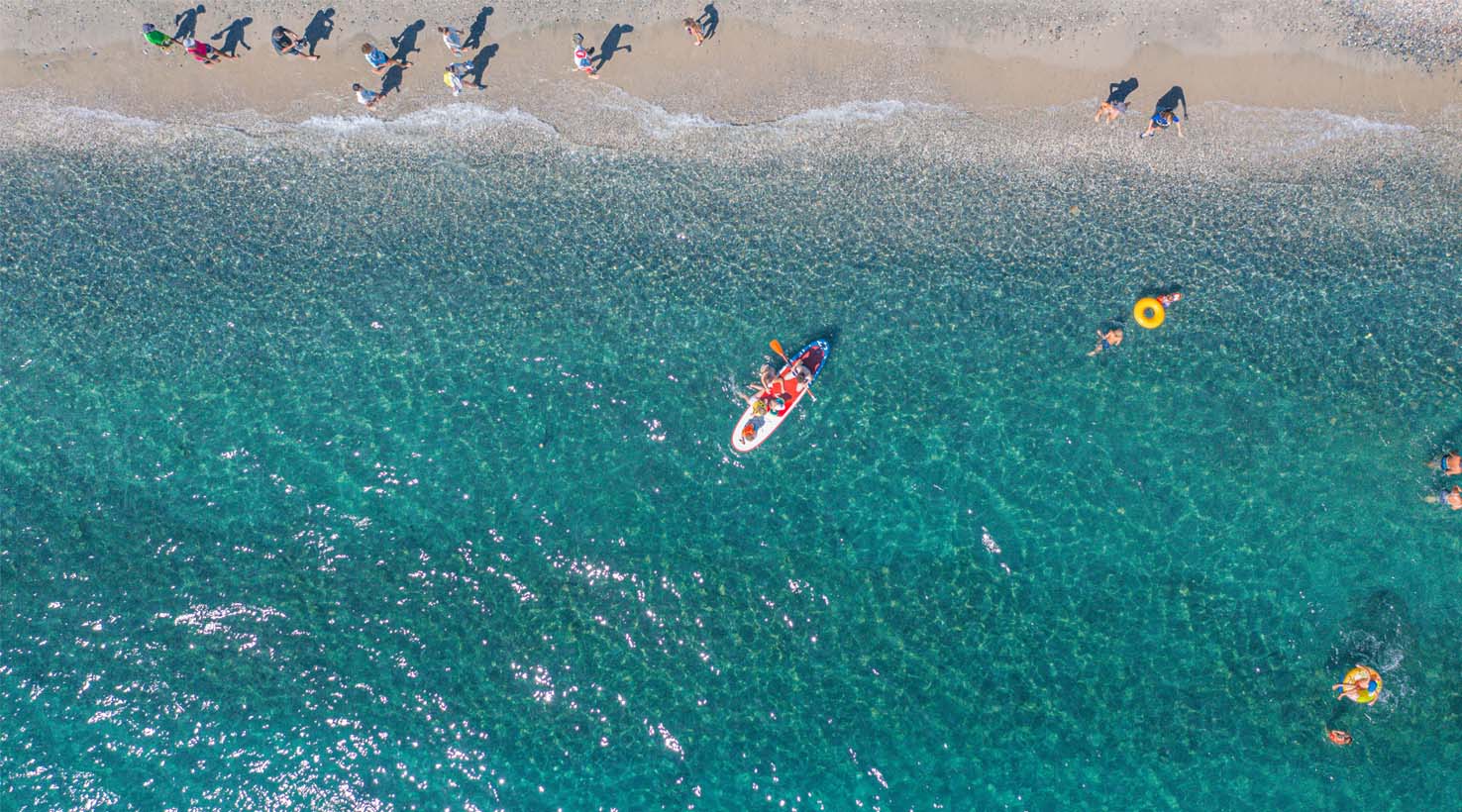
South Corsica, with its crystal-clear turquoise waters, postcard-perfect sandy beaches and indented coastline offering secret coves and majestic cliffs, is a dream destination forwater sports enthusiasts.
In summer, when the Mediterranean sun generously warms the island and the sea, the opportunities to enjoy this exceptional marine environment multiply.
Whether you’re looking for thrills, peaceful exploration or family relaxation, South Corsica’s diverse range of water sports activities is sure to meet your every expectation. Here are our Top 10 must-do water sports activities for your next summer holiday on the Isle of Beauty.
Explore the Underwater Wonders: Diving and Snorkeling
1. Scuba Diving: Immersion in a Natural Aquarium
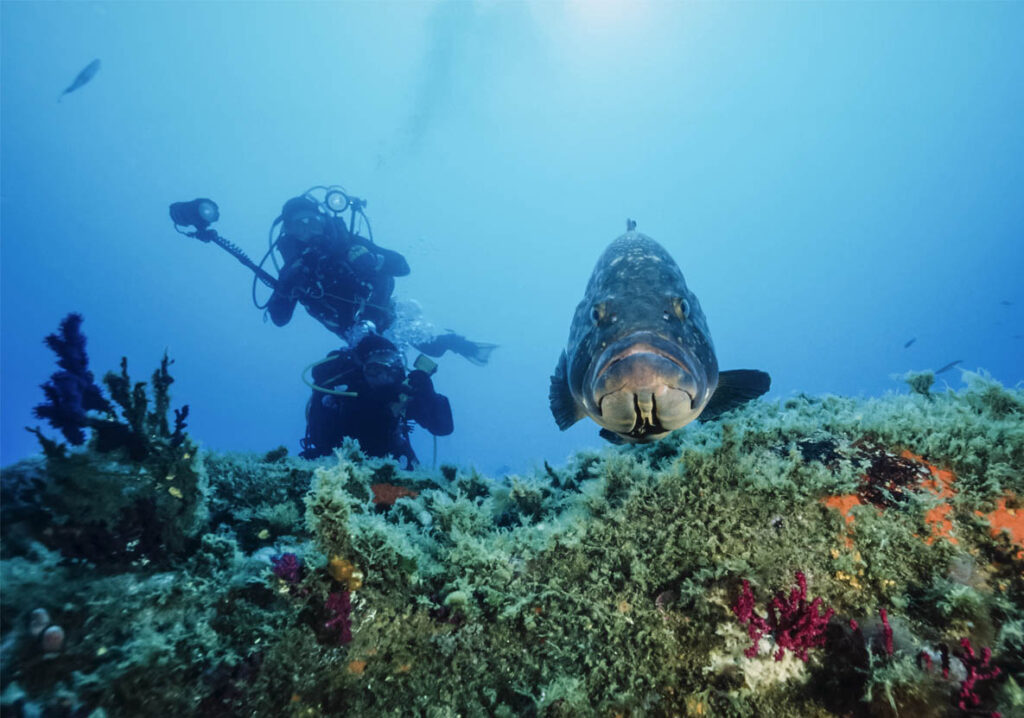
Scuba diving in Southern Corsica is undoubtedly one of the most memorable experiences. The region’s seabed offers exceptional visibility, frequently exceeding 20 to 30 meters, and preserved biodiversity, particularly in the Bouches de Bonifacio Nature Reserve.
This protected area, the largest in mainland France, is home to rich ecosystems where brown groupers, dentex, moray eels and sometimes even sea turtles evolve in a spectacular setting of granite rocks and posidonia meadows.
Many professional professional diving centersbased mainly in Porto-Vecchio, Bonifacio and Propriano, offer outings to suit all levels. For beginners, a first dive is a gentle and safe introduction to the underwater world, supervised by an experienced instructor.
These first dives usually take place in sheltered shallow coves. For certified divers, the options are vast: wreck exploration, dives on secs (underwater rocky ascents) or along vertiginous drop-offs like those of the Lavezzi Islands.
Note that the water temperature in summer (between 22°C and 26°C) makes diving particularly pleasant. For this reason, we strongly recommend that you book your outings, especially in July and August, as places on the boats are limited to guarantee the quality of supervision and safety.
Some clubs even offer themed dives, such as grouper spotting or underwater photography, adding an extra dimension to this already fascinating activity.
2. Snorkeling : Discovery for everyone
For those who prefer to stay on the surface, or to introduce the younger ones to the beauties of the underwater world, snorkeling represents an ideal and accessible alternative. This simple activity, requiring only minimal equipment (mask, snorkel and possibly flippers), lets youexplore the first few meters below the surface, where marine life is often the densest and most colorful.
Southern Corsica abounds in perfect snorkeling spots, characterized by calm, transparent waters and varied rocky or sandy bottoms.
Emblematic beaches such as Palombaggia, Santa Giulia or Rondinara offer great observation opportunities along the rocks that line their extremities. However, the more secluded coves, often accessible after a short walk or by boat, usually hold the best surprises.
The area around Bonifacio, with its small calanques and emerald waters, or the shores of the Lavezzi Islands (in authorized areas) are paradises for snorkeling enthusiasts. It’s easy to spot girelles, sars, starfish and sometimes even small moray eels hiding in the crevices.
Many marine tour operators systematically include snorkeling breaks in their tours, often providing the basic equipment. That said, having your own equipment guarantees greater comfort and optimal hygiene.
It’s worth noting that this activity can be practiced completely independently from any accessible beach or cove. Simply choose a site sheltered from the wind, check the sea conditions and let yourself float to admire the silent spectacle unfolding before your eyes. It’s a simple and economical way to connect with the exceptional marine environment of Southern Corsica.
Glide on the Turquoise Waters: Paddle and Kayak
3. Stand-Up Paddle (SUP): Peaceful coastal exploration
Stand-Up Paddle (SUP) has conquered Corsican coasts in recent years, offering a unique and environmentally-friendly way to explore the coastline. Standing on a wide, stable board, equipped with a paddle, you glide silently over the water, enjoying a privileged view of the seabed and coastal landscapes.
This relatively easy-to-learn activity is suitable for all ages and fitness levels. The calm waters of South Corsica‘s sheltered bays, such as those of Pinarello, Figari or Valinco, are particularly suitable for the initiation and serene practice of SUP.
Paddleboarding gives you access to otherwise inaccessible areas. You can walk along cliffs at your own pace, enter small sea caves when the sea is calm, or discreetly approach wildlife without disturbing it.
It’s also an excellent way to reach deserted coves for a swim away from the crowds. In fact, some windsurfers even use their boards for yoga or meditation sessions on the water, taking advantage of the morning calm and the exceptional setting.
Paddle boards are widely available for hire on the beaches and in the watersports centers of southern Corsica. You can expect to pay between €15 and €25 per hour. For a more supervised experience, guided SUP tours are available, enabling you to discover the most beautiful routes under the guidance of a local instructor.
These outings often include explanations of the environment and sometimes even a tasting of local produce in a secluded cove. The fact is, SUP is a complete activity, combining gentle physical effort, contemplation and environmental discovery.
4. Sea Kayaking: Adventure and closeness to nature
Sea kayaking offers another fascinating way to explore the rugged coastline of southern Corsica. Sitting flush with the water, you benefit from a unique proximity to the marine element and the ability to thread your way through narrow passages or low caves inaccessible to other craft.
More stable and less dependent on wind conditions than the paddle, the kayak allows you to cover longer distances and envisage trips lasting several hours or even a full day.
The itinerary possibilities are endless. The descent from Campomoro Bay to Senetosa Point, along a wild, unspoilt coastline, is a classic, but as spectacular as ever.
Exploring the area around Roccapina, with its famous lion-shaped rock and translucent coves, is another popular option. For the more adventurous, multi-day hikes with bivouacs on isolated beaches can be organized, offering total immersion in Corsican nature.
Kayaks (single or double) are available for hire at many of Corsica’s marinas and campsites. Outings accompanied by qualified guides are also available, particularly recommended for beginners or for exploring more technical or isolated areas.
These guides share not only their expertise in navigation, but also their in-depth knowledge of the local fauna, flora and history. Kayaking is a particularly quiet activity, increasing the chances of observing marine wildlife in its natural environment without disturbing it.
Thrills and adrenaline on the water
5. Jet Ski: Speed and Freedom of Exploration
For lovers of speed and thrills, jet ski rental in Southern Corsica is a must. Piloting these powerful machines on turquoise waters offers a guaranteed adrenalin rush, while allowing you to quickly discover large stretches of coastline.
The main rental centers are located around Porto-Vecchio, Bonifacio, Propriano and in the Gulf of Ajaccio, offering recent, well-maintained machines.
Several formulas are generally available. Free rental (with boating license or temporary license) gives you total freedom to explore within a defined perimeter, ideal for those who have already mastered piloting.
For beginners or those wishing to discover the most beautiful sites without worrying about navigation, guided excursions are the perfect option. Supervised by a qualified instructor, these excursions combine the pleasure of speed with the discovery of secret coves, sea caves and inaccessible beaches. Lengths vary from 30 minutes to several hours, with prices to match.
It should be noted that jet skiing is strictly regulated in Corsica for safety and environmental protection reasons. Boating is generally prohibited in the 300-meter strip near the coast (except in marked channels) and in nature reserves.
Serious service providers will tell you exactly what these rules are during the initial briefing. Despite these necessary constraints, the potential for exploration remains immense and the sensations of and the sensations of freedom and speed and the sensations of freedom and speed provided by jet skiing remain exceptional in the sumptuous setting of southern Corsica.
6. Towed Boats: Guaranteed Laughs with Family and Friends
The towed buoy is the ultimate water sports activity, promising laughter and thrills for almost everyone. Attached to an inflatable buoy in a variety of shapes (round, banana, sofa, etc.), you are towed at high speed by a motorboat, bouncing on the waves and negotiating turns with varying degrees of stability! This activity requires no special skills, apart from good manners and a love of splashing.
It’s an ideal option for groups of friends or families with teenagers looking for a fun, dynamic activity. Sessions generally last between 10 and 15 minutes, enough to provide a good dose of adrenalin without excessive exhaustion.
The speed and tricks performed by the boat’s pilot can be adapted to suit the age and wishes of the participants, ranging from a simple fast ride to tight turns guaranteeing a few refreshing falls.
Numerous watersports centers located on the most popular beaches of southern Corsica (Santa Giulia, Palombaggia, Campomoro, Ajaccio beaches…) offer this activity at reasonable rates (around €20-25 per person). It’s often the “pleasure” activity you indulge in at the end of a beach day.
In fact, some buoy models, such as the “flyfish”, are even designed to lift off slightly from the water during acceleration, adding an aerial dimension to the experience! Safety is assured by the compulsory wearing of life jackets and the supervision of experienced professionals.
Mastering the Elements : Wind and Waves
7. Windsurfing: Glisser au Gré du Vent
Windsurfing conditions in Southern Corsica are often ideal. The regular afternoon thermal breezes that blow across many bays provide a perfect playground for beginners and experienced windsurfers alike.
This activity, which combines the glide of surfing with the propulsion of wind captured by a sail, offers unique sensations of freedom and communion with the elements.
Several spots stand out in particular. The bay of Sant’Amanza, near Bonifacio, is renowned for its often strong winds and relatively flat water, ideal for slalom and freeride. The more sheltered Gulf of Valinco offers milder conditions, perfect for beginners and advanced riders.
On the west coast, beaches such as Capo di Feno can offer great waves in westerly winds, attracting waveriding enthusiasts.
Numerous schools and sailing centers offer courses and workshops for all levels, as well as rental of suitable equipment. Learning to windsurf requires a little perseverance, but the first gliding sensations are quickly accessible, especially with the wide, stable boards used for initiation.
For holidaymakers staying at a campsite in Southern Corsica, this activity represents an excellent opportunity to learn a complete and ecological water sport, taking advantage of the windy afternoon conditions after a quieter morning devoted to other discoveries.
8. Kitesurfing: The Aerial Alliance of Gliding and Flying
Kitesurfing, the spectacular sport of gliding on a board towed by a large kite, has also found internationally renowned spots in South Corsica. This demanding but rewarding discipline offers intense sensations, combining speedy gliding with impressive aerial jumps for the most experienced practitioners.
The Piantarella spot, a shallow lagoon facing the Lavezzi Islands near Bonifacio, is without doubt Corsica’s most famous kitesurfing spot. Its ideal orientation in relation to the prevailing winds and the safety offered by its shallow depths make it an ideal place to learn and practice.
Other sites such as La Tonnara or certain beaches on the eastern coast also offer excellent conditions, depending on the wind direction.
For safety reasons, learning to kitesurf requires professional supervision. Several specialized schools offer introductory courses over several days, covering the essential aspects of kite piloting, board management and safety rules.
It’s worth noting that progress can be rapid, often enabling you to make your first tack as soon as the initial course is over. For self-sufficient kitesurfers, equipment rental is available, but it’s essential to find out about local conditions (take-off/landing zones, navigation rules) before taking to the water.
The spectacle of the colorful wings moving over the turquoise waters is in itself a remarkable visual attraction, even for simple spectators on the beach.
Unique and Refreshing Maritime Experiences
9. Hidden Treasures Boat Tours
Visit boat excursions are a privileged way to discover the inaccessible wonders of the South Corsican coastline. Whether aboard speedboats to cover long distances or more traditional craft for a slower approach, these sea outings open up unique perspectives on emblematic sites and secret coves.
The most popular tours generally include a visit to the Bonifacio cliffs from the sea, exploration of the surrounding sea caves, and a sail to the Lavezzi islands. These excursions, departing from Bonifacio or Porto-Vecchio, offer a condensed view of the natural beauty of the far south in a half or full day.
They often include swimming stops in crystal-clear waters and enlightening commentaries by the captains on local history, geology and wildlife.
For a more personalized experience, chartering a boat with or without a skipper lets you define your own itinerary and linger at the sites that appeal to you most. This option offers incomparable freedom to discover secluded anchorages, picnic on a deserted beach or simply soak up the sun away from the hustle and bustle.
Many campsites in Southern Corsica can put you in touch with reliable local charter companies or professional skippers who know the secrets of the coast inside out. Interestingly, some excursions combine maritime discovery with land-based activities, such as a hike along a part of the coastal path accessible only by boat.
10. Coastal Canyoning: Aquatic Adventure between Sea and River
Although traditionally associated with the inland mountains, canyoning also finds fascinating expression in the immediate vicinity of the coastline in southern Corsica. Some rivers flow directly into the sea, creating so-called “coastal” canyoning routes that offer a unique combination of fresh and salt water, waterfalls and natural pools overlooking the Mediterranean.
The Baracci canyon, near Propriano, is the most emblematic example of this type of course. Its lower section practically ends at the beach, providing a spectacular transition between the canyon’s mineral and aquatic universe and the blue immensity of the sea.
This moderately-difficult descent is accessible to beginners and families (children aged 10-12 and over) and features a succession of natural slides, small jumps and swimming passages in crystal-clear pools.
Other, lesser-known coastal canyons exist along the southern coast, often revealed by local guides who adapt their outings according to hydrological conditions and demand. These routes offer an original alternative to classic mountain canyoning, with the added advantage of being able to conclude the adventure with a refreshing swim in the sea.
As with all canyoning, supervision by a qualified professional is essential to guarantee safety and provide the specific equipment required. Numerous campsites in Southern Corsica offer reservations for these activities, making it easy to organize this unique aquatic adventure. It’s an original way to combine the pleasures of the river and the sea in one memorable day.
FAQ : Your questions about water sports in South Corsica
Do I need to book water sports activities well in advance in summer?
Yes, for most popular activities such as jet skiing, diving (especially guided hikes), boat trips to popular sites (Lavezzi, Scandola) and canyoning, it’s strongly recommended to book at least 3 to 5 days in advance in July and August.
For some very specific activities or the most reputable suppliers, a week’s notice may be necessary. For simple rentals (paddle, kayak), same-day or day-ahead booking is often possible, but anticipation guarantees availability of equipment.
What’s the average budget for a day of water sports?
The budget varies considerably depending on the activities chosen. Expect to pay around 60-80€ for a canyoning or scuba-diving trip, 50-70€ for a 3-4h boat trip, 100-150€ for a 1h30 guided jet ski tour, and 40-60€ for a half-day paddle or kayak rental.
A day combining several activities can represent a budget of €150 to €250 per person. To keep costs under control, alternate paid supervised activities with free independent activities such as snorkeling from the beach.
Are water sports activities suitable for children?
Yes, many activities are suitable for children, with varying minimum ages. Snorkeling is accessible as soon as they can swim with mask and snorkel. Towed buoys are generally available from age 6-8. Paddleboarding and kayaking can be enjoyed by the whole family, with children’s berths on double kayaks or adapted boards.
Jet skis are available for passengers (from 8-10 years of age, depending on the center). Diving baptisms are often offered from age 8. For canyoning, “family” courses are available from 8-10 years. Always check the minimum age when booking.
Do I need special equipment for these activities?
For most supervised activities (diving, canyoning, guided jet skiing, boating), specific equipment is supplied by the service provider (wetsuit, life jacket, helmet, etc.). For rentals (paddle, kayak, snorkeling), basic equipment is included.
However, we recommend that you bring: swimsuit, towel, water-resistant sun cream, sunglasses with drawstring, hat/cap, and possibly UV protection lycra and water shoes. For snorkeling, it’s best to bring your own mask and snorkel for comfort and hygiene.
Where to find the best spots for each activity in South Corsica?
Spotlights vary depending on the activity:
- Diving/Snorkeling: Bonifacio reserve, Lavezzi islands, west coast (around Porto Pollo, Tizzano).
- Paddle/Kayak: Sheltered bays (Santa Giulia, Rondinara, Valinco, Figari).
- Jet Ski: Ajaccio and Valinco gulfs, Porto-Vecchio, Bonifacio.
- Towed buoy: Large tourist beaches (Palombaggia, Santa Giulia, Ajaccio beaches).
- Windsurfing/Kitesurfing: Sant’Amanza, Piantarella, La Tonnara, Valinco.
- Coastal canyoning: Baracci near Propriano.
- Boat excursions: Departures from Bonifacio, Porto-Vecchio, Propriano, Ajaccio.
Are there any special precautions to take at sea in Southern Corsica?
Yes, always check the marine weather forecast before setting out, especially for self-guided activities. Beware of thermal breezes , which often pick up in the afternoon and can make it difficult to return by paddle or kayak. Respect swimming areas and safety distances from other boats. Protect yourself effectively from the sun, as reverberation off the water is intense.
Take plenty of water with you. In nature reserves, scrupulously respect regulations (speed limits, prohibited zones, no fishing or collecting). When in doubt, always opt for an outing supervised by local professionals.
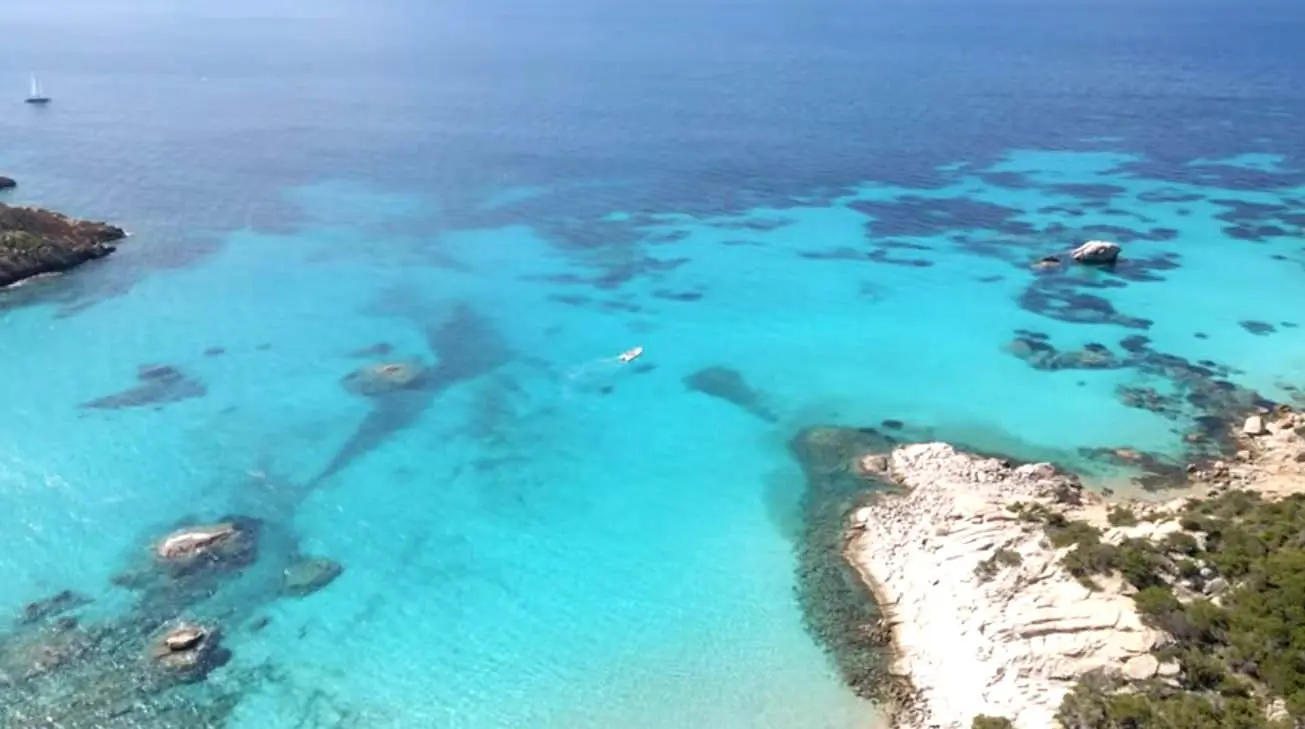
South Corsica, a region bathed in Mediterranean sunshine, offers a rich and varied tourist experience. From the majestic mountains to the crystal-clear waters of the sea, this part of the Isle of Beauty is a traveler’s paradise. Let’s discover together the best that South Corsica has to offer, from the best hotels to hiking, culture and seaside walks.
1. The Best Hotels for a Dream Stay
South Corsica is home to hotels that combine luxury with local charm. Establishments like the Hôtel & Spa des Pêcheurs in Bonifacio, located on a private island, offer an exclusive and serene setting. For a more traditional experience, Hôtel Version Maquis Citadelle, also in Bonifacio, offers a picturesque stay with a breathtaking view of the historic citadel.
2. Breathtaking hikes in a diverse landscape
Hiking enthusiasts will be delighted in South Corsica. The GR 20 trail, although challenging, is a must for experienced hikers. For more leisurely strolls, the Falaises trail in Bonifacio offers spectacular sea views. The Alta Rocca Valley, with its picturesque villages and mountainous landscapes, is also perfect for family hikes.
3. A cradle of culture and history
Southern Corsica is rich in culture and history. Ajaccio, birthplace of Napoleon Bonaparte is home to the Musée National de la Maison Bonaparte, a must-see for history buffs. Art lovers will appreciate a visit to the Musée Fesch. Traditional villages, such as Sartène, offer a glimpse of authentic Corsican life, with their markets, ancient churches and local festivals.
4. Sea Trips: Discovering the Coast in a different way
Sea trips are an exceptional way to discover the beauty the beauty of Southern Corsica . Excursions leave from Porto-Vecchio or Bonifacio, leading to wonders such as the Lavezzi Islands or the Scandola nature reserve. These walks offer not only spectacular views, but also the chance to snorkel in crystal-clear waters.
Maritime Discovery: Sea Walks in the Lavezzi Islands and the Maddalena Archipelago
Sailing the crystal-clear waters of Southern Corsica is an unforgettable experience, especially to destinations like the Lavezzi Islands and the Maddalena Archipelago. These jewels of the Mediterranean offer spectacular seascapes and special moments of relaxation with family and friends.
– The Lavezzi Islands – An unspoilt natural paradise
Just a short boat ride from Bonifacio, the Lavezzi Islands are an archipelago of small granite islands, known for their turquoise waters and unique rock formations. On a sea trip to this natural paradise, you can swim in secluded coves, explore underwater life by snorkeling, and relax on white-sand beaches. It’s also a great opportunity to observe local wildlife, especially seabirds.
– Maddalena Archipelago – An Italian treasure close at hand
Just north of Corsica, the Maddalena Archipelago, part of Italy, is another prime destination for a sea excursion. This chain of islands offers a variety of landscapes, from fine sandy beaches to secret coves lined with pine trees. The sea cruise to La Maddalena takes in the islands of Spargi, Santa Maria, Caprera and, of course, La Maddalena, each with its own unique character.
– Activities and Exploration
These sea outings are not limited to sailing and sunbathing. The waters around the Lavezzi and Maddalena Islands are ideal for snorkeling and scuba diving, offering a chance to explore colorful coral reefs and abundant marine life. What’s more, some excursions offer activities such as paddling or kayaking for a more active and intimate exploration of these marine environments.
– History & Culture
Beyond their natural beauty, these islands also have a rich history. The Maddalena Archipelago, for example, played an important role in maritime history and is dotted with historic forts and ruins. A walk around these islands can also include visits to picturesque villages, offering a glimpse of traditional island life.
Sea excursions to the Lavezzi Islands and the Maddalena Archipelago are not to be missed during a stay in Southern Corsica. They offer not only breathtaking scenery and opportunities to swim in heavenly waters, but also a chance to connect with the history and culture of the Mediterranean. These sea trips promise unforgettable memories in some of the region’s most beautiful spots.
South Corsica is a destination that promises a rich and memorable experience. Whether you’re looking for luxury and comfort in world-class hotels, adventure on its hiking trails, a plunge into its rich history and culture, or wonder at its coastal scenery on sea walks, this magnificent region has something to offer every visitor. South Corsica is waiting for you to unveil its hidden treasures and unforgettable moments.

Art in Southern Corsica
Discover the art places in the South Corsica region !